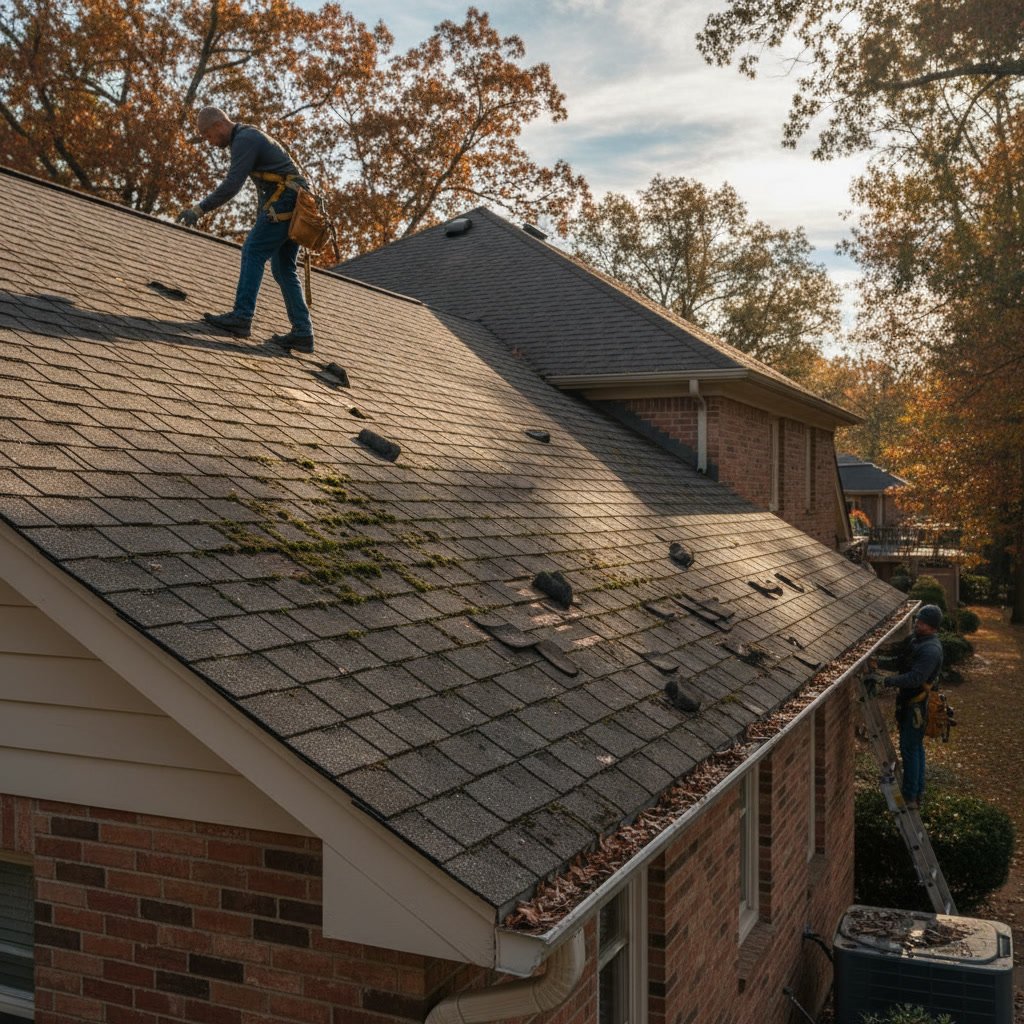
Most homeowners wait until water drips through their ceiling before calling a roofer, but by then the damage extends far beyond the roof itself. Your roof telegraphs its distress weeks or months before a catastrophic failure through visible signs roof needs replacement that anyone can spot from the ground or a quick attic visit. Catching these warning signals early saves thousands in water damage repairs to insulation, drywall, and structural framing.
Why Roofs Fail Before Their Time
A standard asphalt shingle roof lasts 20 to 25 years under normal conditions, but Texas weather accelerates aging. Intense UV exposure breaks down the asphalt binder that holds shingles together. Hail storms crack and bruise shingles, creating entry points for moisture. Poor attic ventilation traps heat that literally cooks your roof from underneath, causing premature brittleness and curling.
Installation quality matters just as much as age. Roofs installed with inadequate nailing, missing drip edge, or improper flashing around chimneys and vents will fail years ahead of schedule regardless of shingle quality. The weakest link determines your roof’s actual lifespan, not the manufacturer’s warranty period.
Understanding Roof Age and Documentation
If you bought your home recently, check your closing documents for a roof certification or permit records that show when the last replacement occurred. Many sellers provide this information upfront. Without documentation, your home inspector’s report may estimate age based on shingle condition and style.
Once a roof passes the 15-year mark, annual inspections become critical. Even if everything looks fine from the ground, subtle deterioration happens invisibly. Moore Construction Co. offers thorough inspections that catch problems while repairs remain affordable, before you face the larger expense detailed in typical replacement costs.
Shingle Curling and Cupping Patterns
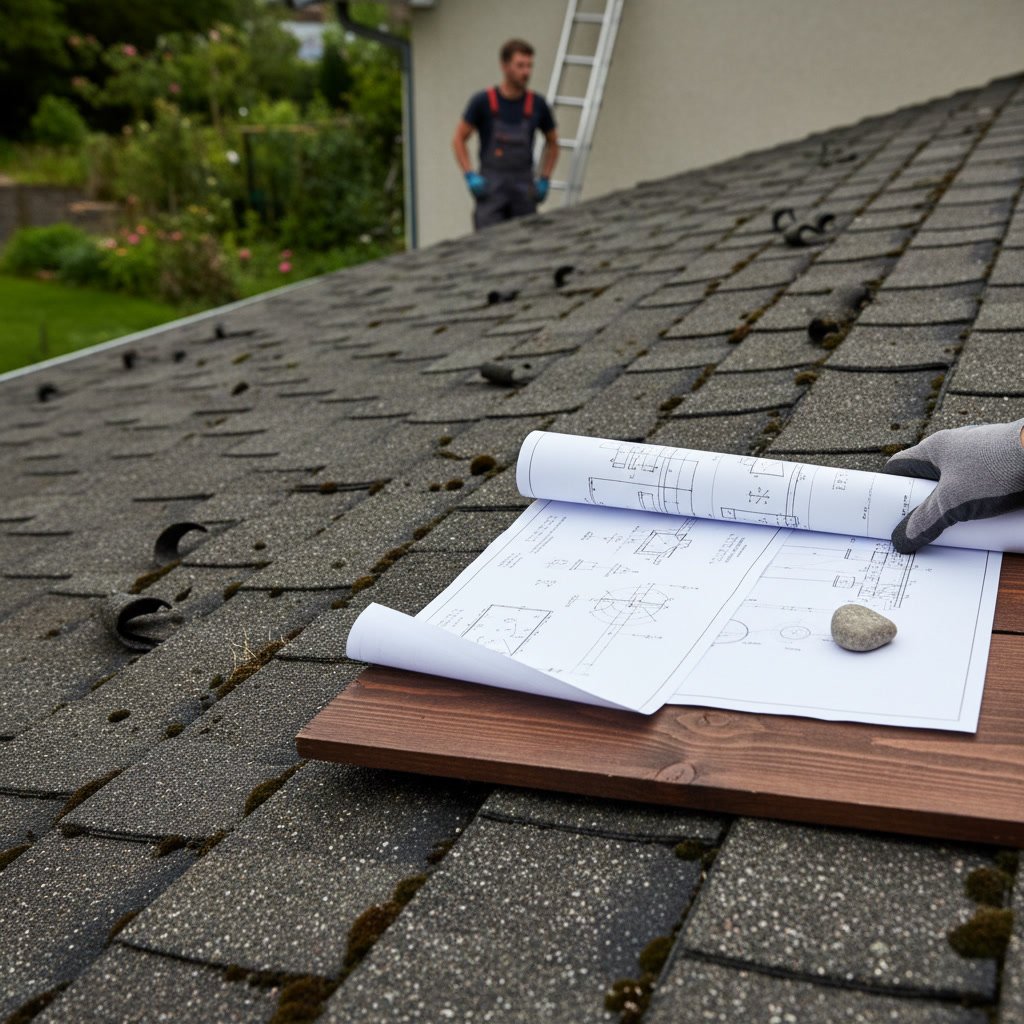
Walk around your house on a sunny afternoon and look at the roof plane from different angles. Healthy shingles lie flat with clean, straight edges. Aging shingles curl upward at the edges (cupping) or buckle in the middle (clawing), creating a wavy texture across the roof surface.
This curling happens when shingles lose their flexibility. The asphalt becomes brittle, and the mat underneath contracts unevenly. Once curling starts, it accelerates quickly because the lifted edges catch wind and allow water to wick underneath. A roof with widespread curling across multiple sections needs replacement within the next year or two, even if no leaks exist yet.
Granule Loss and Bald Spots
The colored granules on asphalt shingles do more than look attractive. They shield the asphalt layer from UV damage and reflect heat. After a heavy rain, check your gutters and downspout discharge areas. A small amount of granule loss is normal in the first year after installation, but mature roofs shedding granules signal advanced aging.
Look for bald patches on the shingles themselves, especially on south and west-facing slopes that receive the most sun exposure. These smooth, dark areas show the underlying asphalt mat. Once granules wash away, UV light attacks the exposed asphalt directly, causing rapid deterioration. If more than 30 percent of your roof shows significant granule loss, replacement should happen soon.
Missing or Damaged Shingles After Storms
A single missing shingle after a windstorm doesn’t automatically mean full replacement, but it reveals vulnerability. If you spot multiple missing shingles across different roof sections, the entire roof has likely reached the end of its service life. Brittle shingles lose their seal strip adhesion and blow off in moderate winds that wouldn’t affect a newer roof.
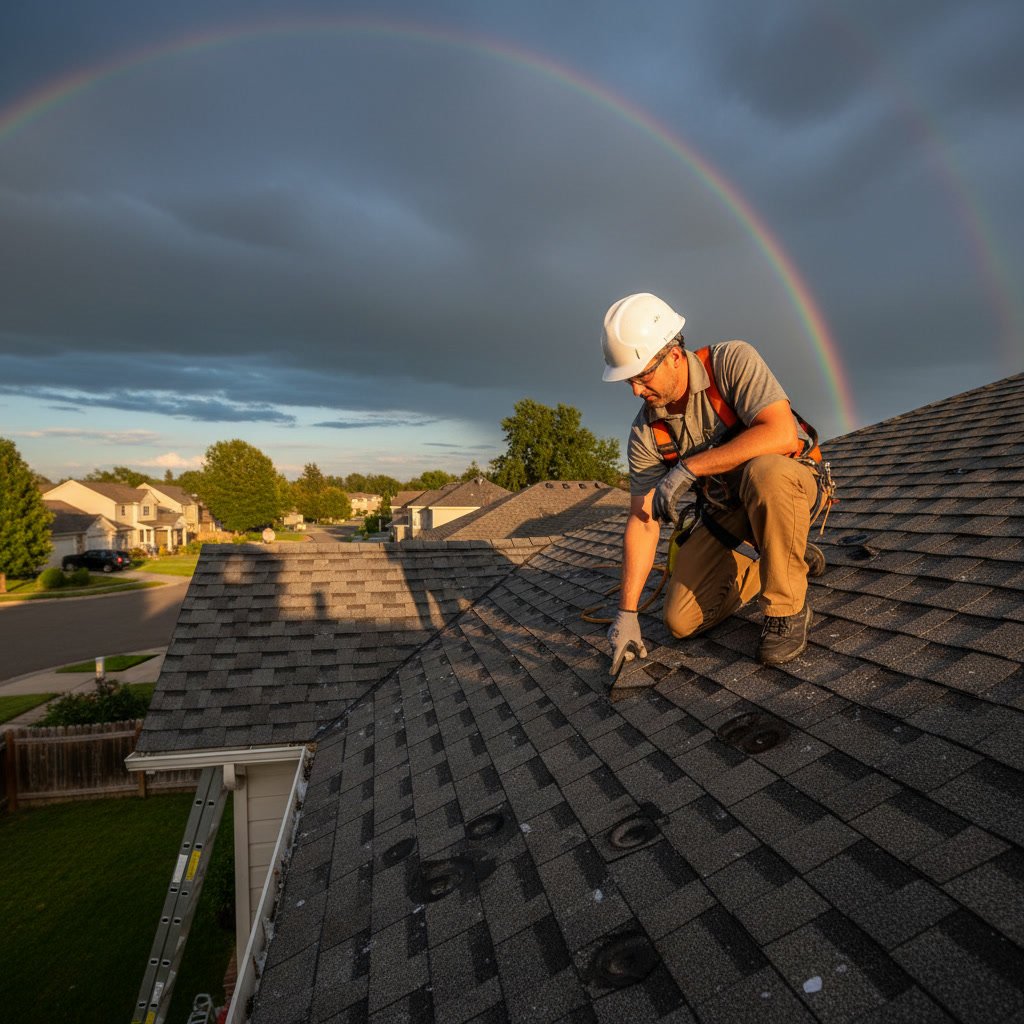
Hail damage appears as dark spots or divots where the impact crushed the granules and bruised the asphalt. These bruises compromise the shingle’s waterproofing even though the damage isn’t immediately visible. After significant hail events, professional roofing inspections document damage for insurance claims and determine whether repair or replacement makes financial sense.
Attic Warning Signs in Plano Homes
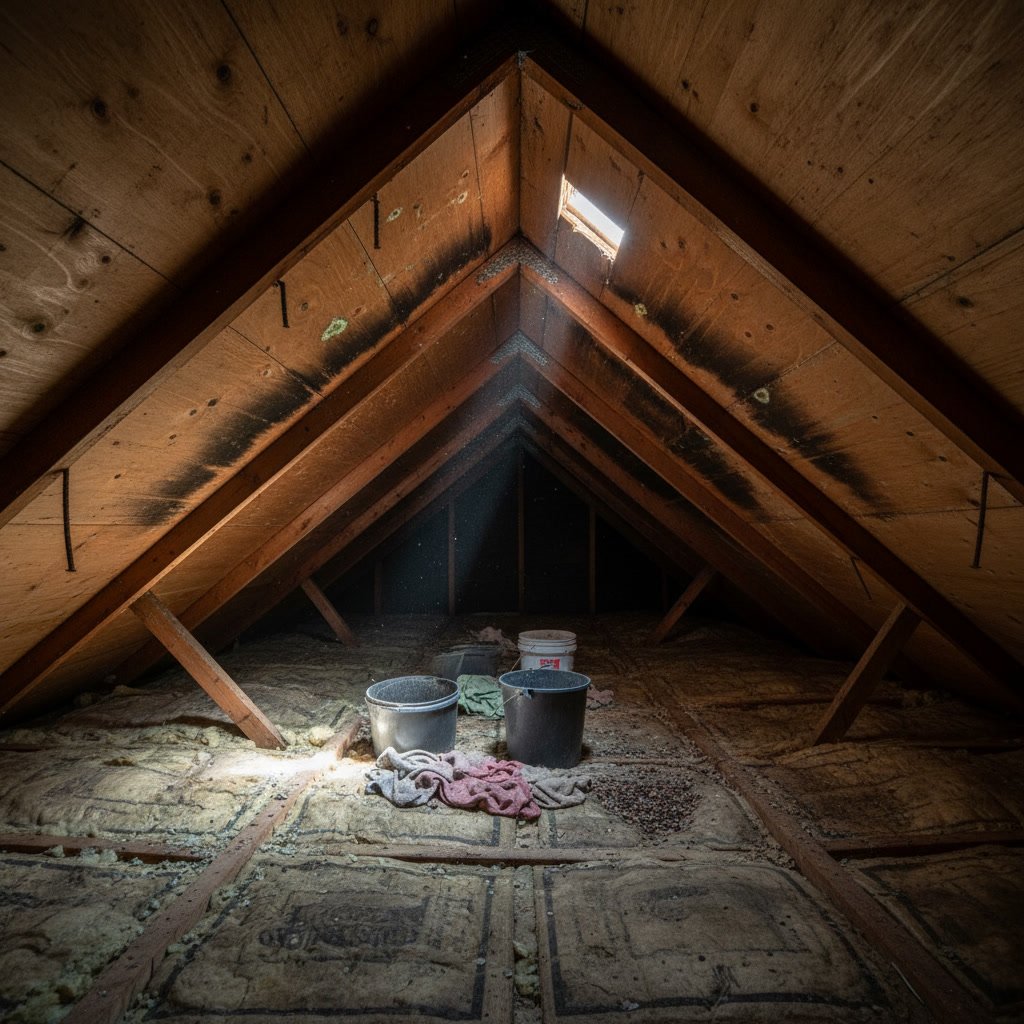
Your attic tells the truth about your roof’s condition. On a sunny day, turn off the attic lights and look for pinpricks of light penetrating through the roof deck. These tiny holes mark nail pops or gaps where water will eventually enter. Run your hand along the underside of the roof decking. Any soft, spongy areas indicate water damage and possible rot.
Check the insulation for dark staining or compression. Water stains appear as darker streaks or blotches on the insulation or wood framing. Compressed insulation in specific areas shows where water has soaked through repeatedly. These signs mean leaks are already happening, even if water hasn’t reached your living space yet.
Sagging Roof Deck and Structural Concerns
Stand back from your house and examine the roofline against the sky. The ridge and eaves should form clean, straight lines. Any sagging, dipping, or wavy sections indicate serious structural problems. A sagging roof deck usually means prolonged water intrusion has rotted the plywood sheathing or damaged the rafters underneath.
This situation requires immediate attention because structural failure can happen suddenly. Even if the shingles look acceptable, the foundation they rest on has failed. Replacement in these cases involves not just new shingles but also new decking and possibly rafter repair, making it a more complex project than a simple reroof.
Flashing Failures Around Penetrations
Flashing are the metal strips that seal joints where your roof meets chimneys, vent pipes, skylights, and walls. These junctions are the most common leak points because they involve transitions between different materials. Inspect flashing for rust, gaps, or places where the sealant has cracked and pulled away.
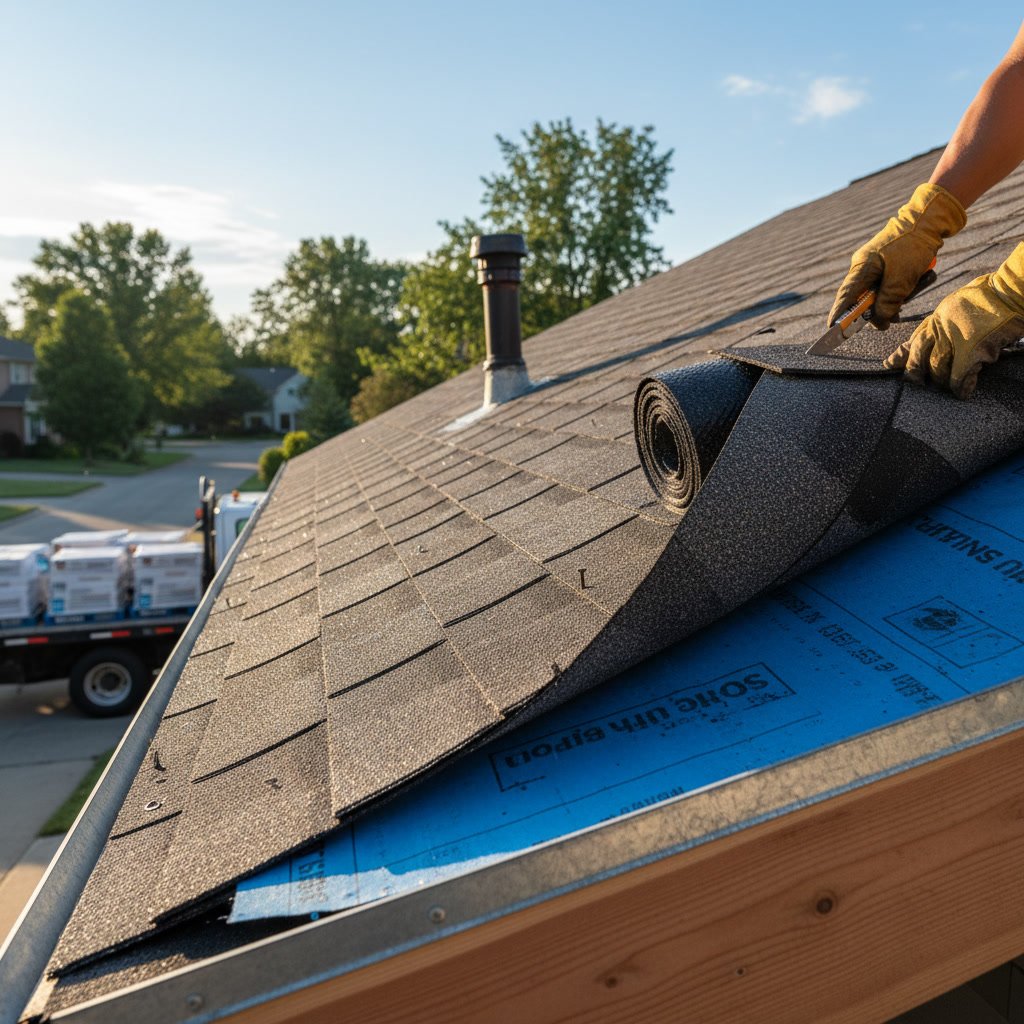
Older homes sometimes have tar or roof cement slathered around flashing as a makeshift repair. While this stops leaks temporarily, it signals that proper flashing has failed. During a roof replacement, all flashing gets replaced with new corrosion-resistant materials, properly integrated with the new shingle system for decades of watertight performance.
Interior Ceiling Stains and Paint Bubbles
Water stains on ceilings appear as discolored rings or streaks, usually brown or yellow. Fresh stains look darker and may feel damp to the touch, while old stains appear faded and dry. Even old stains deserve attention because they mark where water entered previously and will likely enter again.
Paint bubbles or peeling near the ceiling line, especially in upper-floor rooms or near exterior walls, often trace back to roof leaks. Water runs along rafters and framing before dripping into living spaces, so the visible damage may appear several feet away from the actual roof penetration. Professional inspections trace these leaks back to their source and assess whether localized repair suffices or widespread damage requires full replacement.
Comparing Repair vs Replacement Economics
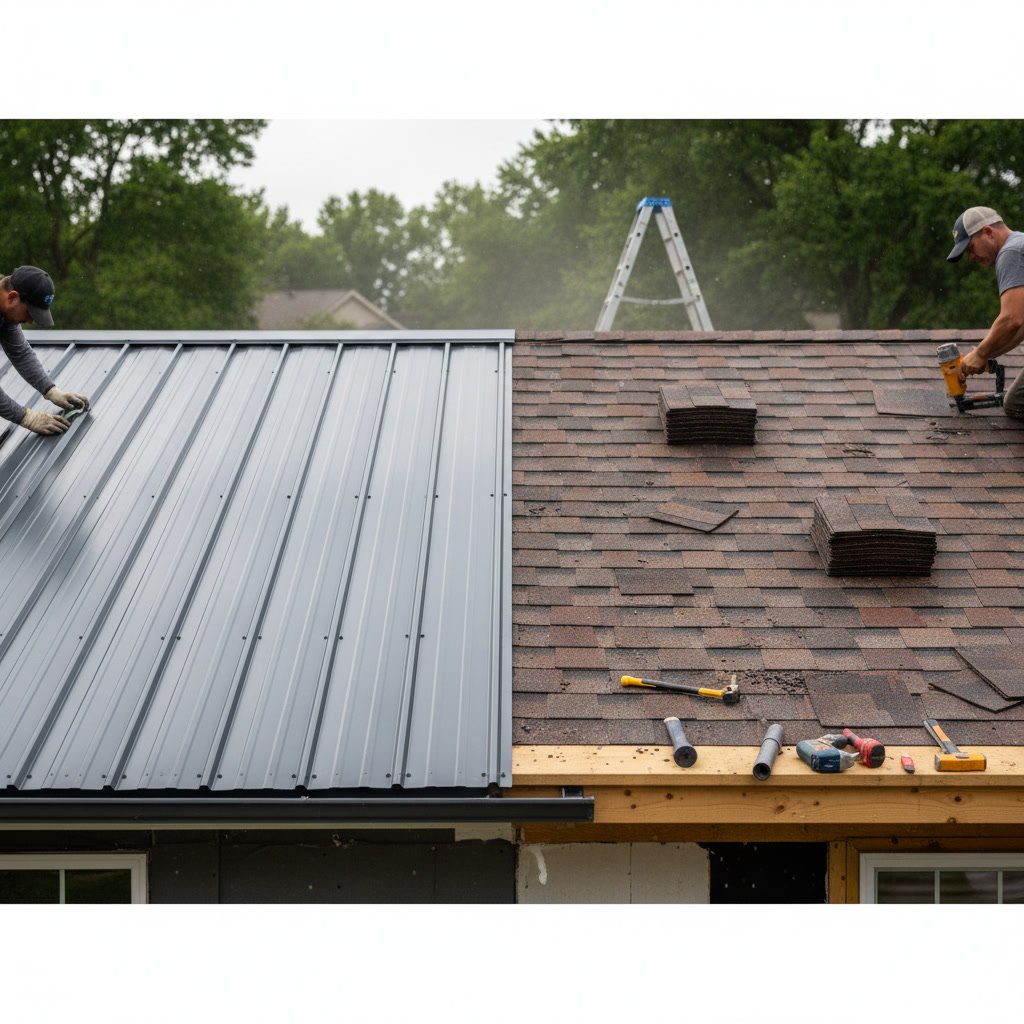
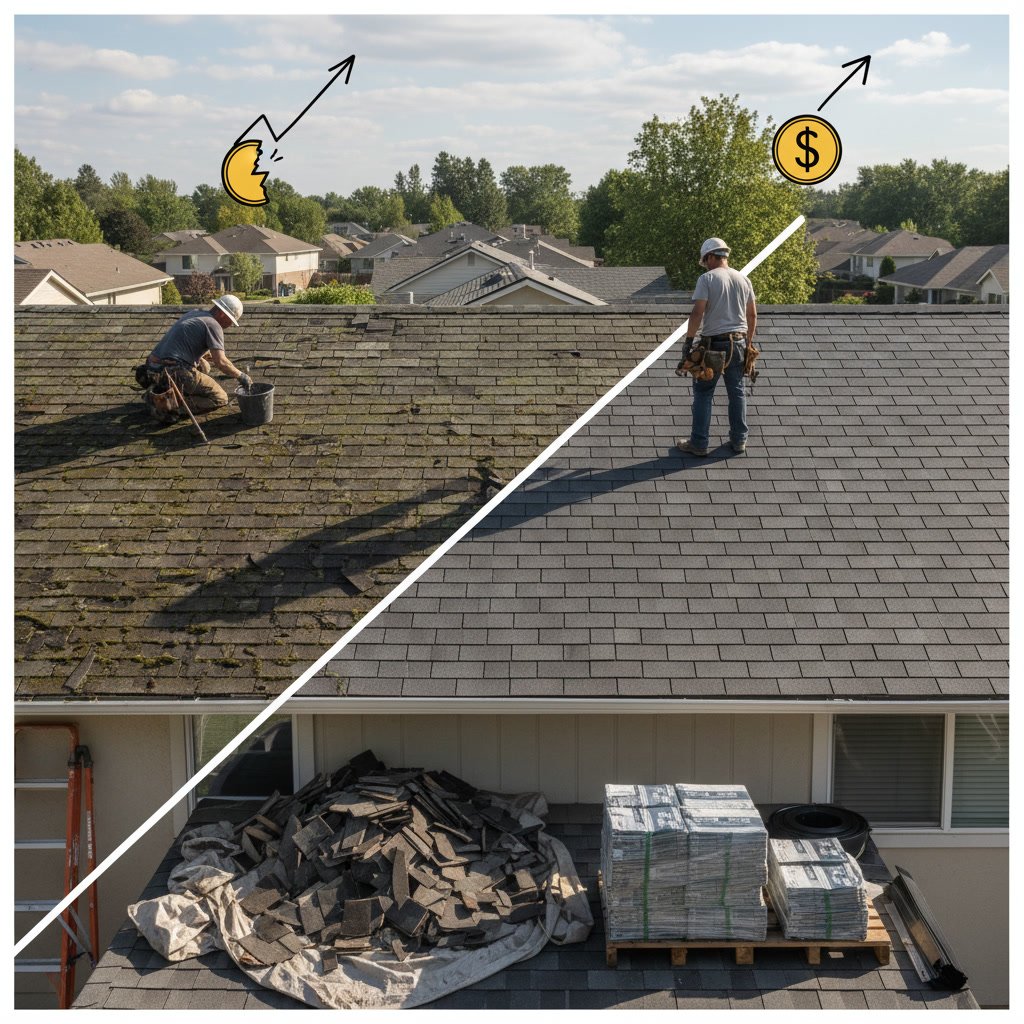
Repairs make sense when damage affects a small, isolated area and the surrounding roof remains in good condition. A section damaged by a fallen tree limb, for example, can be patched if the rest of the roof has years of life remaining. However, multiple repair areas across the roof, or any roof beyond 18 years old, tips the scale toward replacement.
Here’s a useful framework: if repair costs exceed 30 percent of replacement cost and your roof is past its midpoint age, replacement delivers better long-term value. You avoid repeated service calls, warranty coverage starts fresh, and you gain peace of mind for the next two decades. Contractors like Moore Construction Co. provide honest assessments that weigh these factors without pushing unnecessary work.
Energy Bills and Ventilation Clues
A failing roof affects your utility costs. Damaged shingles allow heat transfer that forces your HVAC system to work harder. If your cooling bills have climbed noticeably despite stable usage patterns, roof deterioration may be contributing. Poor attic ventilation, often paired with an aging roof, traps superheated air that radiates into living spaces below.
Proper roof replacement includes evaluating and upgrading ventilation systems. Ridge vents, soffit vents, and attic fans work together to exhaust hot air and draw cooler air through the attic space. This ventilation extends your new roof’s lifespan while cutting energy costs. It’s an often-overlooked aspect that separates quality installations from quick jobs.
Taking Action Before Emergency Strikes
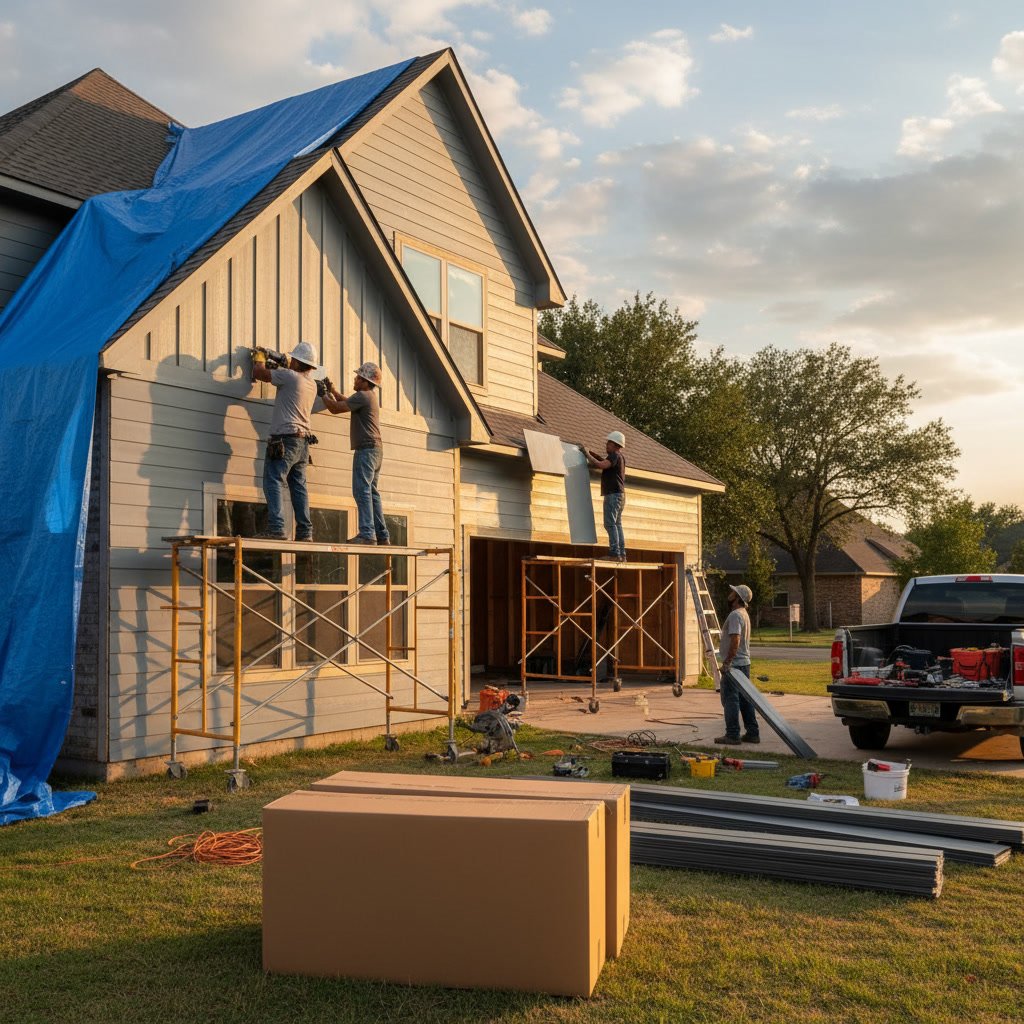
The evidence laid out here shows that roofs broadcast their decline well before catastrophic failure. Curled shingles, granule loss, attic moisture, and sagging decks all give you time to plan and budget for replacement on your terms rather than during a crisis. Proactive replacement protects your home’s structure, preserves its value, and spares you from emergency tarping and water damage restoration.
Schedule an inspection when you notice any of these warning signs. Professional assessment costs nothing compared to the expense of ignored problems. A qualified inspector climbs onto the roof, examines every section, and provides documentation you can use for planning or insurance purposes.
Moore Construction Co. serves homeowners throughout Plano, Farmers Branch, The Colony, and Irving with honest roof assessments and quality replacement work backed by decades of experience. If your roof shows any of these warning signs, call +19728205950 to schedule a free inspection and get straight answers about your options.