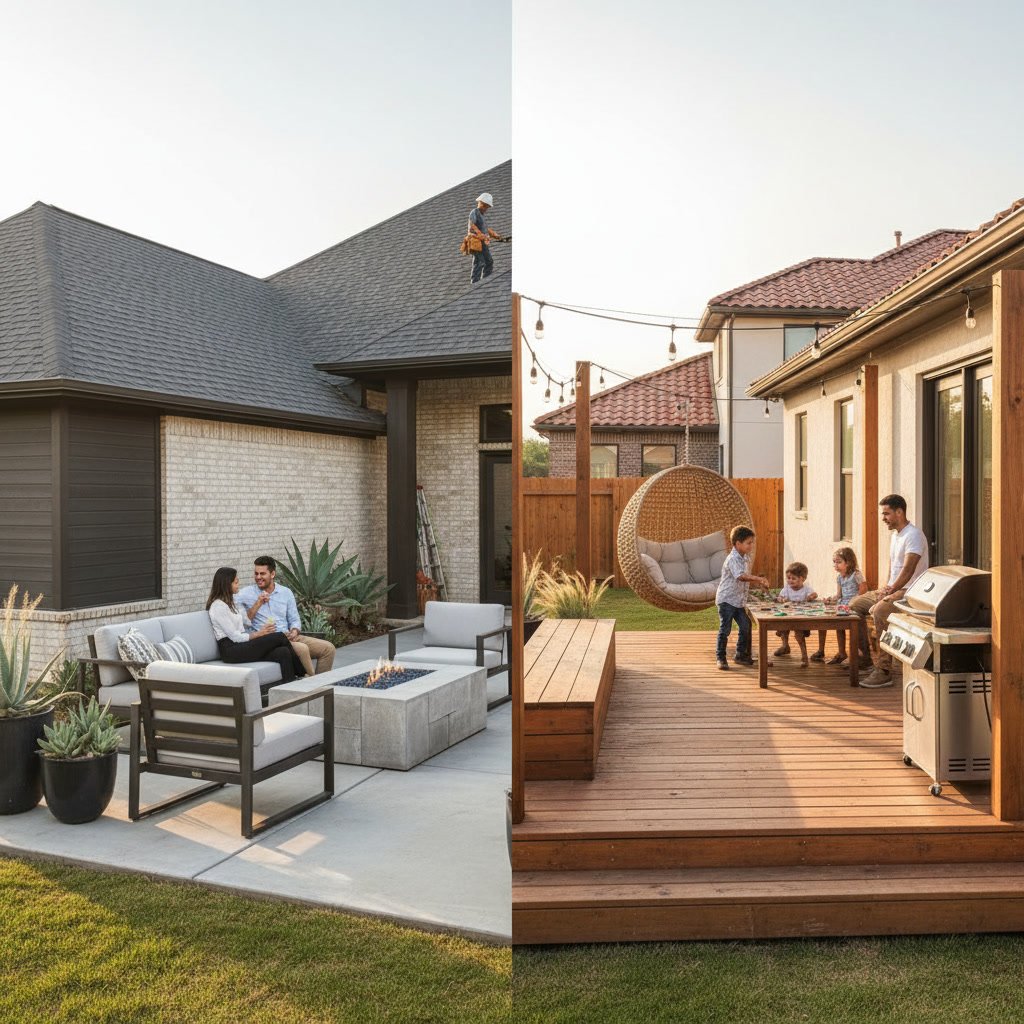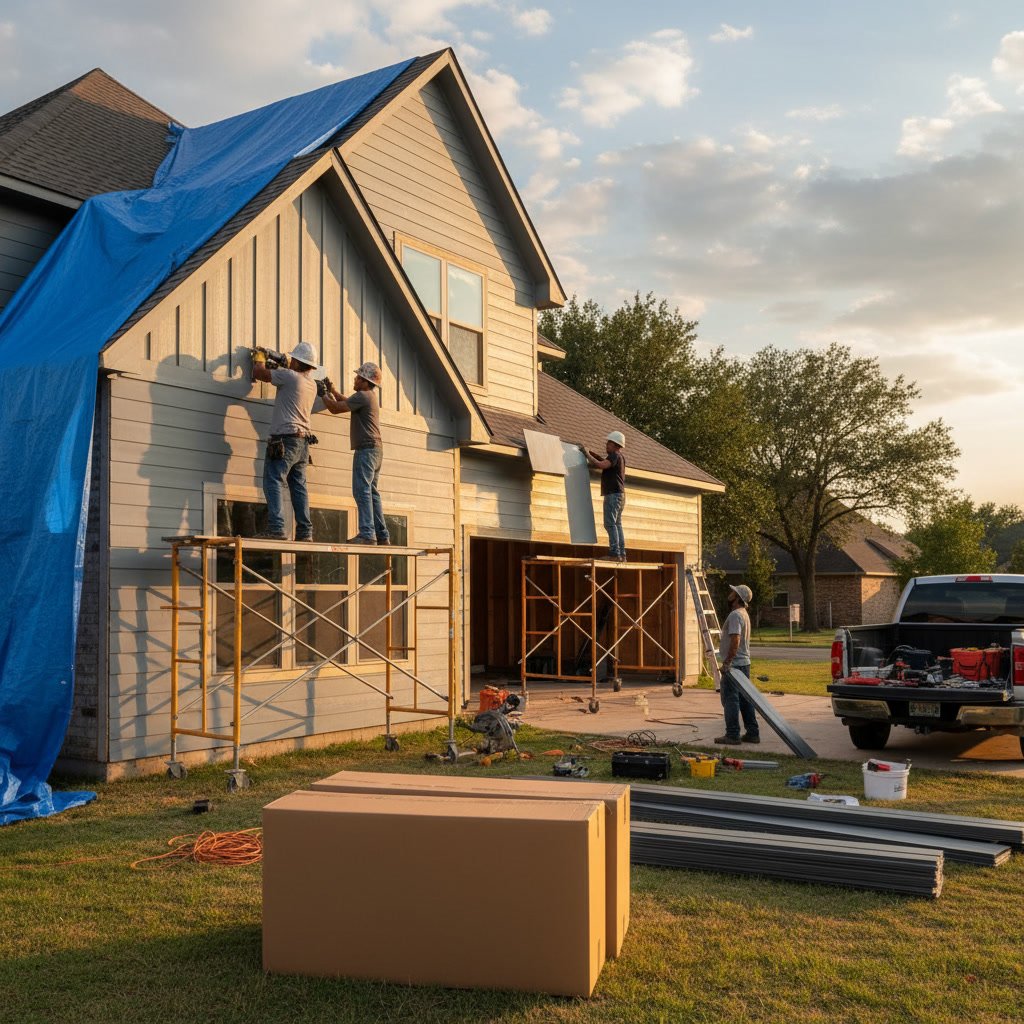
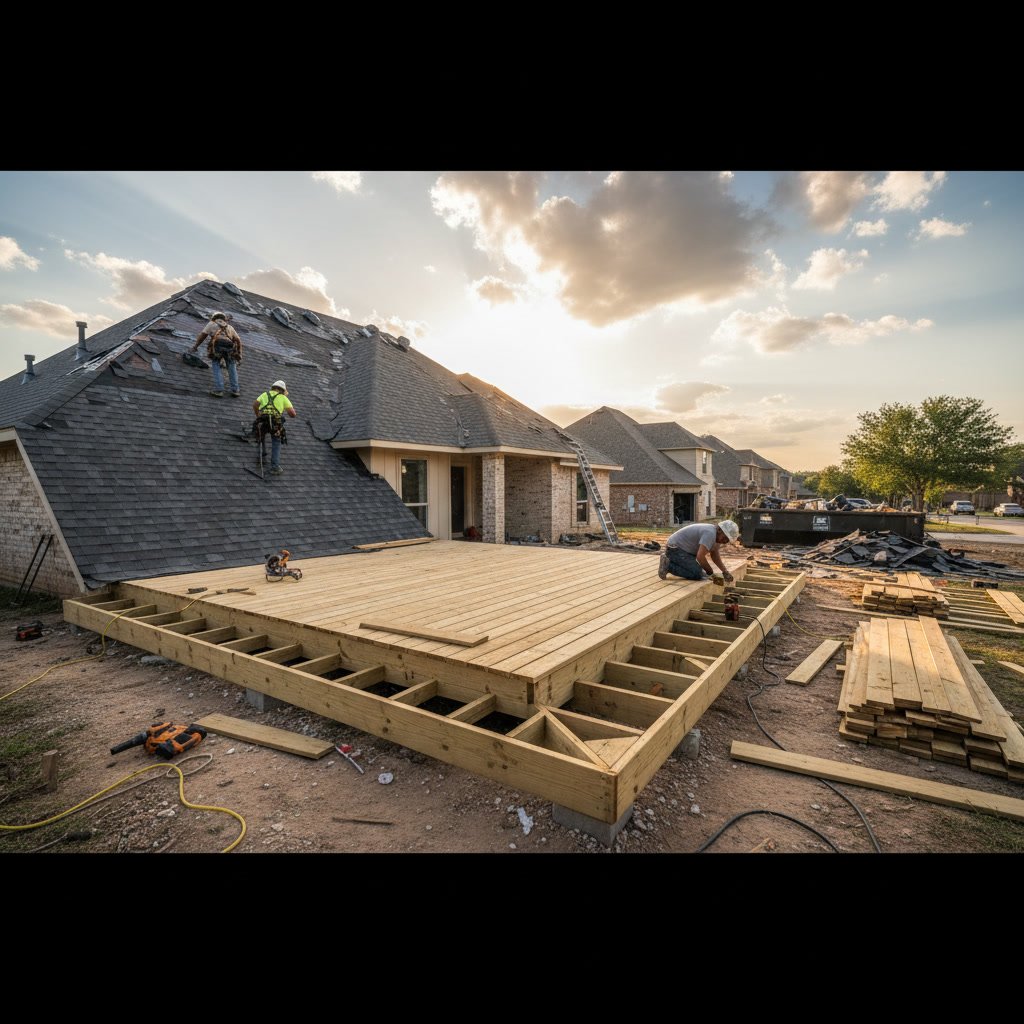
Your backyard has potential, but without a proper outdoor living space, it sits underutilized most of the year. A new deck changes that equation entirely, giving you a place to entertain, relax, and add value to your Farmers Branch property. Before you start planning the layout and design, you need to understand the numbers. Deck building cost in Farmers Branch typically ranges from $4,000 to $25,000 depending on size, materials, and features, with most homeowners spending between $8,000 and $15,000 for a quality mid-range deck.
This guide breaks down every cost factor you’ll encounter, from material choices to labor rates, so you can budget accurately and avoid surprises when you’re ready to build.
Average Deck Building Costs by Size
Size drives cost more than any other single factor. A 12×12 deck requires less material and labor than a 20×20 deck, and the math scales predictably.
For a standard pressure-treated wood deck in Farmers Branch, expect to pay roughly $25 to $35 per square foot installed. A 200-square-foot deck (about 10×20) costs between $5,000 and $7,000. A 400-square-foot deck (roughly 20×20) runs $10,000 to $14,000.
Composite decking increases those numbers significantly. The same 200-square-foot deck in composite materials costs $7,000 to $10,000, while a 400-square-foot version ranges from $14,000 to $20,000.
These estimates assume a standard ground-level or slightly elevated deck with basic railings. Second-story decks, complex shapes, or built-in features push costs higher.
Material Costs and Options
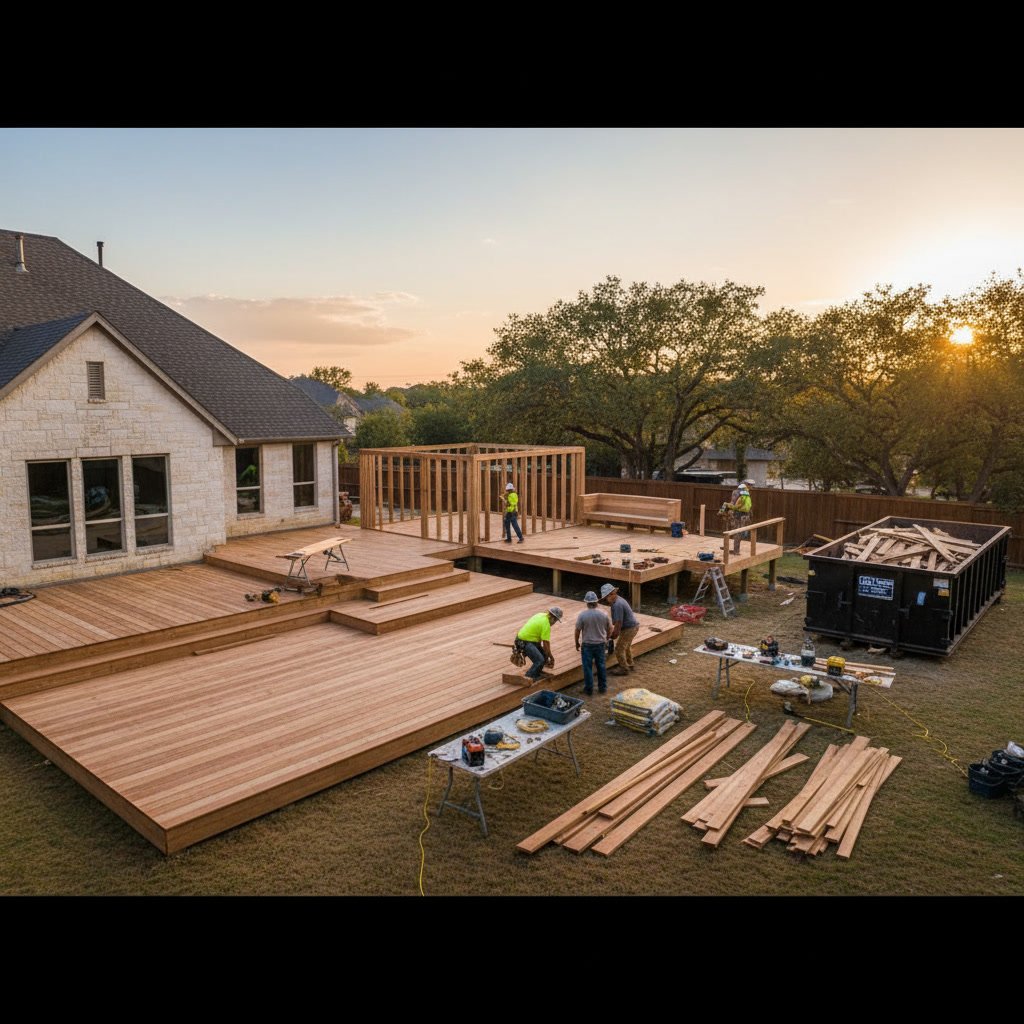
The decking material you choose determines both upfront costs and long-term maintenance expenses. Each option has trade-offs worth considering carefully.
Pressure-Treated Wood
Pressure-treated lumber remains the most budget-friendly option at $15 to $25 per square foot installed. It’s readily available, easy to work with, and proven reliable for decades. The downside is maintenance. You’ll need to clean, seal, and stain every two to three years to prevent rot, warping, and splinters.
For many Farmers Branch homeowners, the lower initial investment makes sense, especially if you plan to handle maintenance yourself or don’t mind the weathered gray look that develops over time.
Composite Decking
Composite materials cost $30 to $50 per square foot installed but require almost no maintenance beyond occasional washing. Made from wood fibers and recycled plastic, composite boards resist fading, staining, and splintering.
The higher deck building cost pays off over time through reduced maintenance. You won’t buy stain, sealers, or replacement boards. Composite makes particular sense if you want a low-maintenance outdoor space or plan to stay in your home long-term.
Cedar and Redwood
Natural cedar and redwood offer beauty and natural rot resistance at $30 to $45 per square foot installed. These premium woods age gracefully to a silver-gray patina or can be maintained with regular sealing to preserve their rich color.
Cedar provides a middle ground between treated lumber and composite, offering better aesthetics and durability than pressure-treated wood without the synthetic look some homeowners dislike about composite.
PVC and Aluminum
High-end options like PVC decking ($40 to $60 per square foot) and aluminum decking ($50 to $70 per square foot) deliver maximum durability and zero maintenance. These materials make sense for specific situations, like decks near pools where moisture and chemicals accelerate wear, but most residential projects don’t require this level of investment.
Labor and Installation Costs
Labor typically accounts for 40 to 60 percent of total deck building cost. In the Farmers Branch area, professional deck builders charge $25 to $50 per hour, with most deck projects requiring 40 to 80 hours depending on size and complexity.
A straightforward 12×16 ground-level deck might take two skilled workers three to four days. A larger second-story deck with stairs, multiple levels, or integrated features can stretch to two weeks or more.
The labor estimate includes foundation work, framing, decking installation, railing assembly, and finishing details. It doesn’t include site preparation like removing old decks, extensive grading, or tree removal, which add separate line items to your quote.
Permit fees in Farmers Branch run $100 to $300 for most residential deck projects. Your contractor should handle permit applications and inspections as part of their service.
Cost Factors That Increase Your Budget
Several common features and conditions push deck costs above baseline estimates. Understanding these variables helps you budget accurately from the start.
Deck Height and Accessibility
Ground-level decks cost less than elevated decks. Once your deck height exceeds 30 inches, you’ll need railings, which add $20 to $60 per linear foot. Second-story decks require more substantial framing, longer posts, and potentially more complex foundations, increasing costs by 20 to 40 percent.
Stairs and Railings
Basic stairs cost $150 to $300 per step for pressure-treated wood, while composite or cable railing stairs run $250 to $500 per step. Railing style matters too. Simple wood balusters cost less than cable rail systems, glass panels, or ornamental metal.
Built-In Features
Built-in benches add $100 to $500 per linear foot. Planters cost $200 to $600 each. Lighting runs $50 to $150 per fixture installed. A built-in pergola attached to your deck adds $2,000 to $8,000 depending on size and materials.
If you’re considering shade structures, exploring patio covers or pergolas as separate but coordinated projects sometimes offers better value than integrating everything into the deck structure.
Site Conditions
Sloped yards require more foundation work and potentially taller posts, increasing costs by 15 to 30 percent. Poor soil conditions might require deeper footings or additional piers. Difficult access that prevents equipment from reaching your backyard increases labor time and costs.
Ways to Reduce Deck Building Costs
You can control expenses without sacrificing quality by making strategic choices during planning.
Start with a simpler shape. Rectangular decks cost less than L-shaped, wraparound, or multi-level designs. Each angle, corner, or level change adds cutting time, waste, and labor hours.
Choose standard dimensions. Building to standard lumber lengths (8, 10, 12, or 16 feet) minimizes waste and cutting. A 12×16 deck uses materials more efficiently than a 13×17 deck, even though the size difference seems minor.
Phase your project. Build the basic deck structure now and add railings, stairs, or built-in features later when budget allows. This approach works particularly well if you’re staging multiple outdoor improvements.
Consider material strategically. Use composite for deck boards where you walk and see the material daily, but stick with pressure-treated lumber for framing and structure hidden underneath. This hybrid approach captures most composite benefits at lower cost.
Time your project wisely. Late fall and winter often bring lower contractor rates as demand drops. If your schedule allows flexibility, booking during slower seasons can save 10 to 15 percent on labor.
Deck Building Cost Compared to Other Outdoor Projects
Understanding where decks fit in your overall outdoor budget helps with long-term planning. A mid-range deck project costs roughly the same as quality fence installation around a typical residential yard.
If you’re weighing multiple outdoor improvements, a deck typically delivers better return on investment than a fence or landscaping, though less than certain home exterior updates. Similar to how homeowners research roofing costs when planning major home improvements, understanding deck pricing helps you prioritize projects effectively.
For covered outdoor space, a deck with a roof structure costs more than a deck alone but less than building a screened porch or sunroom with similar square footage.
Pro Tip: If you’re also considering a carport or other outdoor structures, bundling projects with the same contractor often yields better pricing than hiring separately. Read about metal carport costs in Farmers Branch to compare investment levels.
Getting Accurate Quotes for Your Farmers Branch Deck
General estimates help with early planning, but accurate quotes require site evaluation. Every property presents unique conditions that affect final costs.
Request quotes from at least three qualified contractors. Detailed quotes should itemize materials, labor, permits, and any site-specific requirements like additional foundation work or drainage solutions.
Ask specific questions about what’s included. Does the quote cover removal and disposal of your old deck? Does it include staining or sealing for wood decks? Are railings and stairs included or priced separately?
Verify the contractor’s license, insurance, and references. Check recent projects similar to yours in size and complexity. A contractor experienced with local building codes and soil conditions in Farmers Branch delivers smoother projects with fewer surprises.
Compare quotes carefully, but don’t choose based solely on price. The lowest bid sometimes signals cut corners, substandard materials, or incomplete scope. The highest bid doesn’t guarantee better quality. Look for detailed proposals, clear communication, and contractors who answer questions thoroughly.
Return on Investment and Long-Term Value
A quality deck recoups 60 to 80 percent of its cost at resale, making it one of the better-performing home improvement investments. The actual return depends on deck size, materials, and how well it matches your home’s style and neighborhood standards.
Beyond resale value, a deck extends your usable living space at a fraction of the cost per square foot compared to indoor additions. You gain functional space for entertaining, dining, and relaxing without the expense of foundation work, HVAC, electrical, and interior finishes required for indoor rooms.
Factor in quality of life improvements that don’t show up in appraisal reports. Families use outdoor living spaces extensively in Texas, where mild weather extends the outdoor season for much of the year. A well-designed deck gets used regularly, making the investment pay dividends in daily enjoyment.
Maintenance costs over a deck’s lifespan vary significantly by material. Budget $200 to $400 every two years for cleaning and sealing wood decks. Composite decks need only occasional washing with soap and water. Over a 20-year period, the maintenance savings from composite can offset much of its higher initial cost.
Frequently Asked Questions
How long does it take to build a deck in Farmers Branch?
Most residential decks take one to two weeks from start to finish, including permit approval. Simple ground-level decks might be completed in three to five days, while complex multi-level designs can extend to three weeks. Weather, material availability, and inspection scheduling affect timelines.
Do I need a permit to build a deck in Farmers Branch?
Yes, most decks require building permits in Farmers Branch, particularly those attached to your home or exceeding certain height thresholds. Permits typically cost $100 to $300 and involve inspections of footings and framing. Your contractor should handle permit applications and coordinate inspections.
What is the most cost-effective decking material?
Pressure-treated wood offers the lowest upfront deck building cost at $15 to $25 per square foot installed. However, composite decking may be more cost-effective long-term when you factor in 20-plus years of reduced maintenance. Your best choice depends on your budget, timeline in the home, and willingness to maintain the deck.
Can I save money by building my own deck?
DIY deck building can save 40 to 60 percent on labor costs if you have construction skills and proper tools. However, mistakes in foundation work, framing, or structural connections can create safety hazards and code violations. Most homeowners find that hiring professionals for foundation and framing, then potentially handling finishing work themselves, offers the best balance of savings and quality.
How does deck building cost compare in nearby areas?
Deck costs remain fairly consistent across the Dallas suburbs, including Plano, Irving, and The Colony. You might see minor variations based on permit fees and local code requirements, but material and labor rates stay within similar ranges throughout the region.
Planning Your Deck Project
Understanding deck building cost helps you plan realistically and avoid budget surprises. Most Farmers Branch homeowners find that investing in quality materials and professional installation delivers the best combination of upfront value and long-term satisfaction.
Whether you’re planning a simple ground-level deck or a complex multi-level outdoor living space, Moore Construction Co. brings the experience and local knowledge to deliver quality results. We serve Farmers Branch and surrounding communities with the same commitment to treating customers like family that has built our reputation.
Ready to discuss your deck project? Call +19728205950 to schedule a free consultation and site evaluation. We’ll provide a detailed quote based on your specific property, preferences, and budget, helping you make informed decisions about materials, size, and features that match your needs.