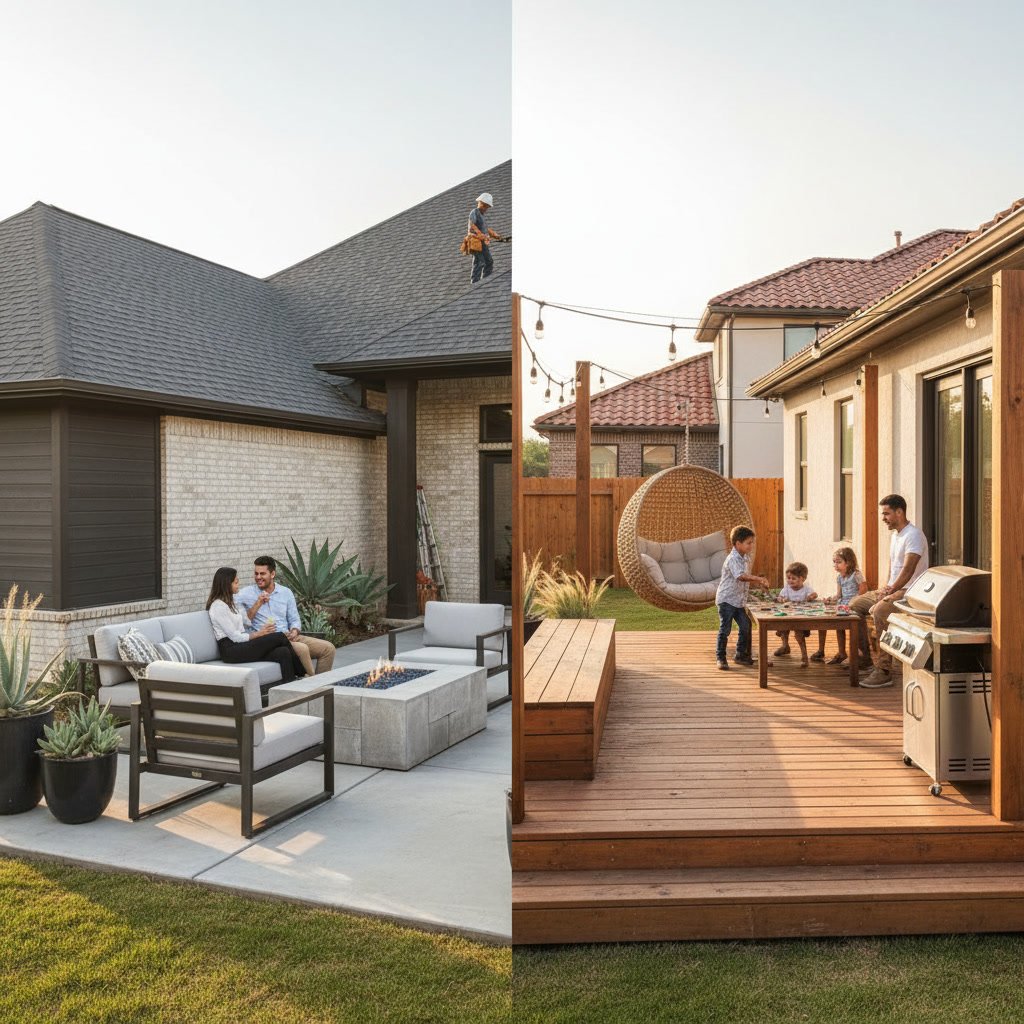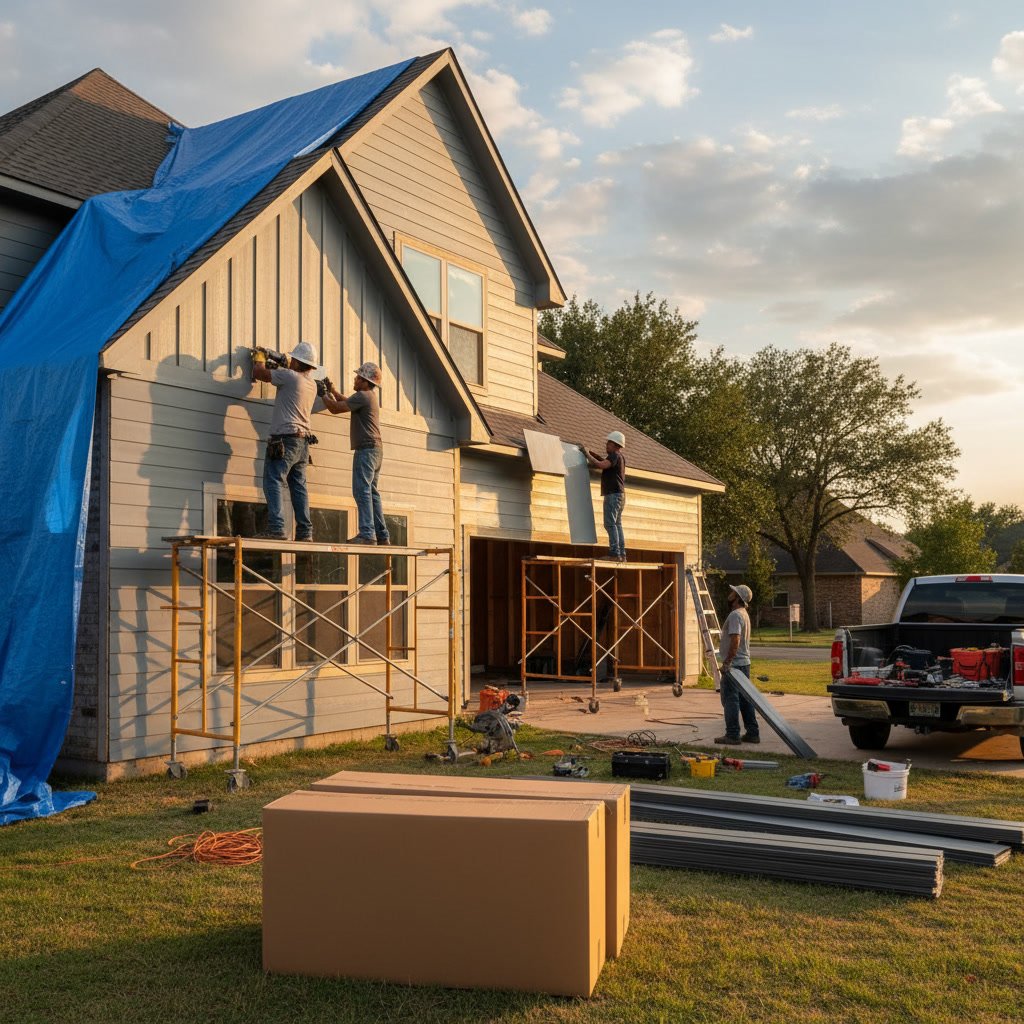
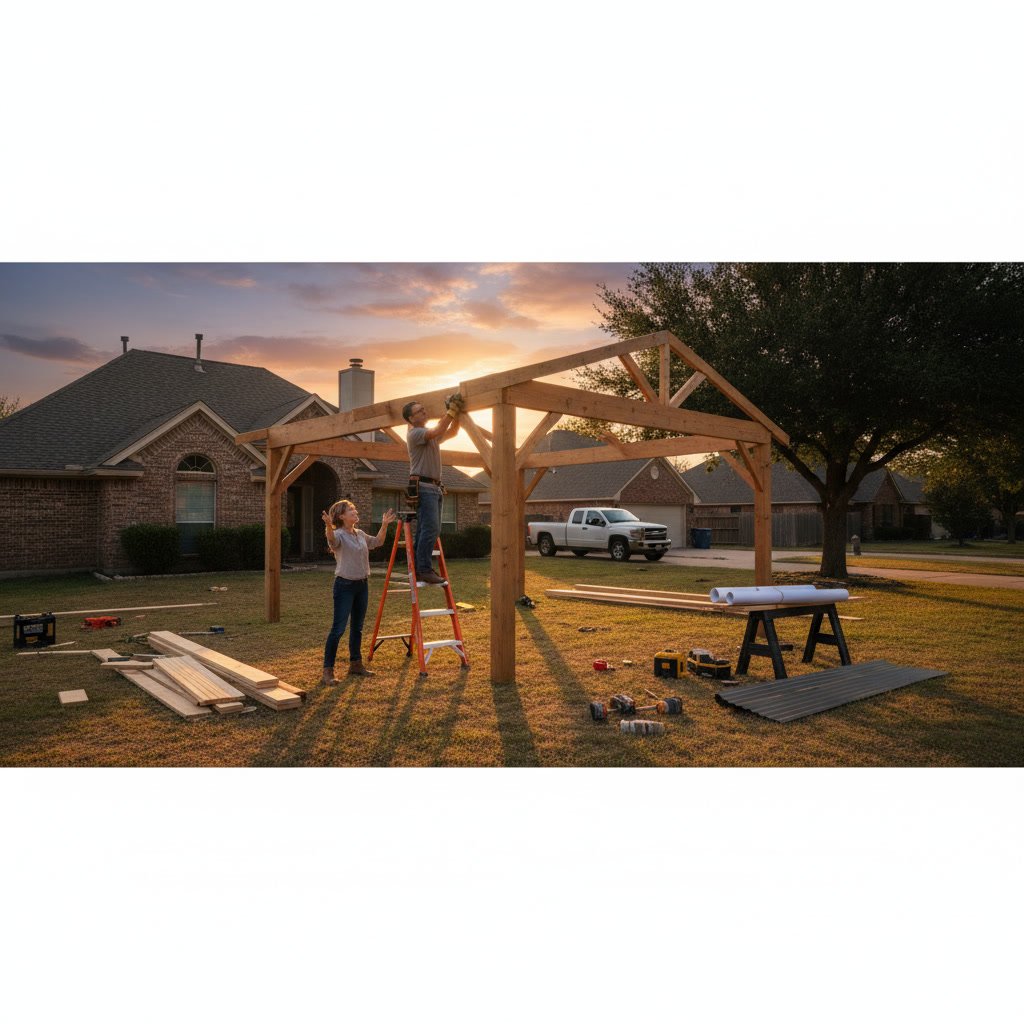
Your car sits in the Texas sun all day, and you’re tired of climbing into a vehicle that feels like an oven. You’ve looked at the cost of hiring a contractor and decided that maybe, just maybe, you can build a carport in Plano yourself. The good news is that with the right planning, tools, and weekend availability, a DIY carport is within reach for many homeowners. This guide breaks down the entire process, from pulling permits to pouring the final concrete pad.
Building your own carport can save thousands of dollars in labor costs, but it requires careful attention to local building codes, proper material selection, and realistic assessment of your skills. Let’s walk through what you need to know before you pick up a hammer.
Understanding Plano’s Building Codes and Permit Requirements
Before you buy a single board, you need to understand what the City of Plano requires for carport construction. Skipping this step can result in fines, forced removal of your structure, or problems when you sell your home.
Plano requires a building permit for most carport projects, especially if the structure is attached to your home or exceeds certain size thresholds. You’ll need to submit plans showing dimensions, materials, and placement on your property. The city checks setback requirements, which dictate how close you can build to property lines, typically 5 to 10 feet from side and rear boundaries.
Your homeowner’s association may have additional restrictions beyond city codes. Many HOAs in Plano require architectural approval, specific materials, or even prohibit freestanding carports entirely. Check your HOA covenants before investing time in plans.
The permit application process typically takes two to four weeks. You’ll pay fees based on the project’s estimated value, usually starting around 150 dollars for a basic carport. Budget extra time for potential revisions to your plans.
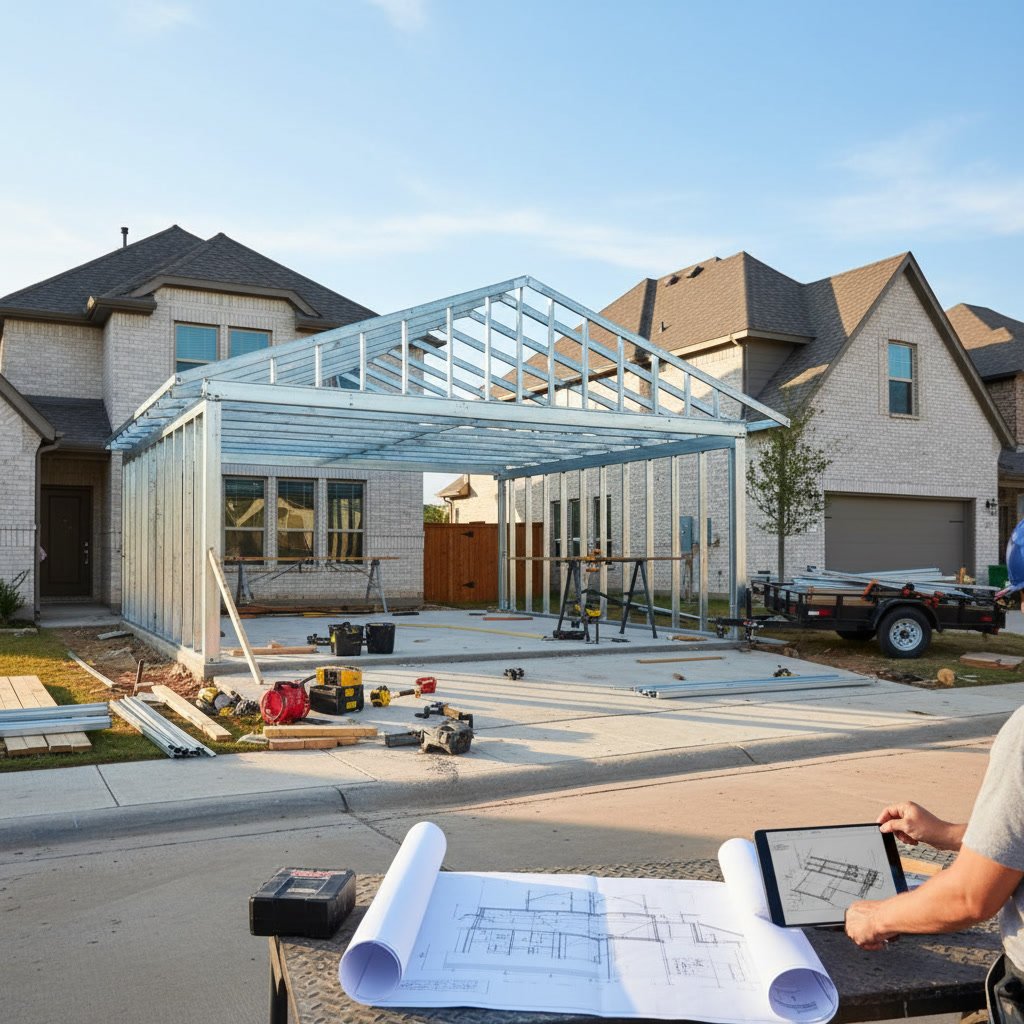
Choosing the Right Location and Design
Location matters more than most DIY builders realize. You want convenient access from the street, level ground, and positioning that doesn’t interfere with utilities or drainage patterns.
Check for underground utilities before breaking ground. Texas law requires you to call 811 at least two business days before digging. They’ll mark water, gas, electric, and cable lines on your property at no charge. Hitting a gas line isn’t just expensive, it’s dangerous.
A standard single-car carport measures 12 feet by 20 feet, while a double carport runs 20 feet by 20 feet. Plan for at least 7 feet of clearance height to accommodate most vehicles, though 8 to 9 feet provides better coverage and resale appeal. If you drive a truck or SUV, measure your vehicle’s height and add two feet.
Consider orientation carefully. A carport facing north or east provides better shade during hot afternoons. Wind direction matters too, as Plano’s spring storms typically come from the south and west. Positioning the open side away from prevailing winds reduces rain intrusion.
Attached vs. Freestanding Carports
Attached carports connect to your home’s existing structure, sharing roof lines or walls. They’re more complex to build because you must match existing construction, ensure proper flashing, and tie into your home’s framing. However, they often look more integrated and can add more value.
Freestanding carports stand independently in your yard. They’re simpler for DIY construction because you’re building from scratch without matching existing structures. Permit requirements may be less stringent, and you have more flexibility in placement.
Materials List and Cost Breakdown
A typical DIY carport in Plano costs between 2,000 and 6,000 dollars for materials, depending on size and finish quality. This compares to 8,000 to 15,000 dollars for professional carport installation.
For a basic 12-by-20 single carport, expect to purchase six to eight 4×4 or 6×6 pressure-treated posts, multiple 2×6 or 2×8 beams for the roof frame, roofing panels (metal or polycarbonate), concrete for footings, hardware brackets, screws, and roofing sealant. Pressure-treated lumber resists Texas humidity and insect damage better than standard pine.
Metal roofing panels offer the best durability and match most home exteriors in North Texas. A 12-by-20 carport needs about 12 panels at 20 to 35 dollars each. Polycarbonate panels cost more but allow natural light through, which some homeowners prefer.
Don’t forget smaller expenses that add up quickly: concrete mix (plan on 15 to 20 bags at 8 dollars each), post hole digger rental (30 to 50 dollars per day), Simpson Strong-Tie brackets (8 to 15 dollars each), galvanized screws, and paint or stain if you want a finished look.
Pro Tip: Buy 10 percent more materials than your calculations require. You’ll make cuts that don’t work out, discover lumber defects, and want extra for mistakes. The cost of a second trip to the lumber yard, plus your time, exceeds the price of a few extra boards.
Essential Tools and Equipment
You probably own some of the tools needed, but a carport project requires several specialized items. Consider whether buying or renting makes more sense for tools you’ll rarely use again.
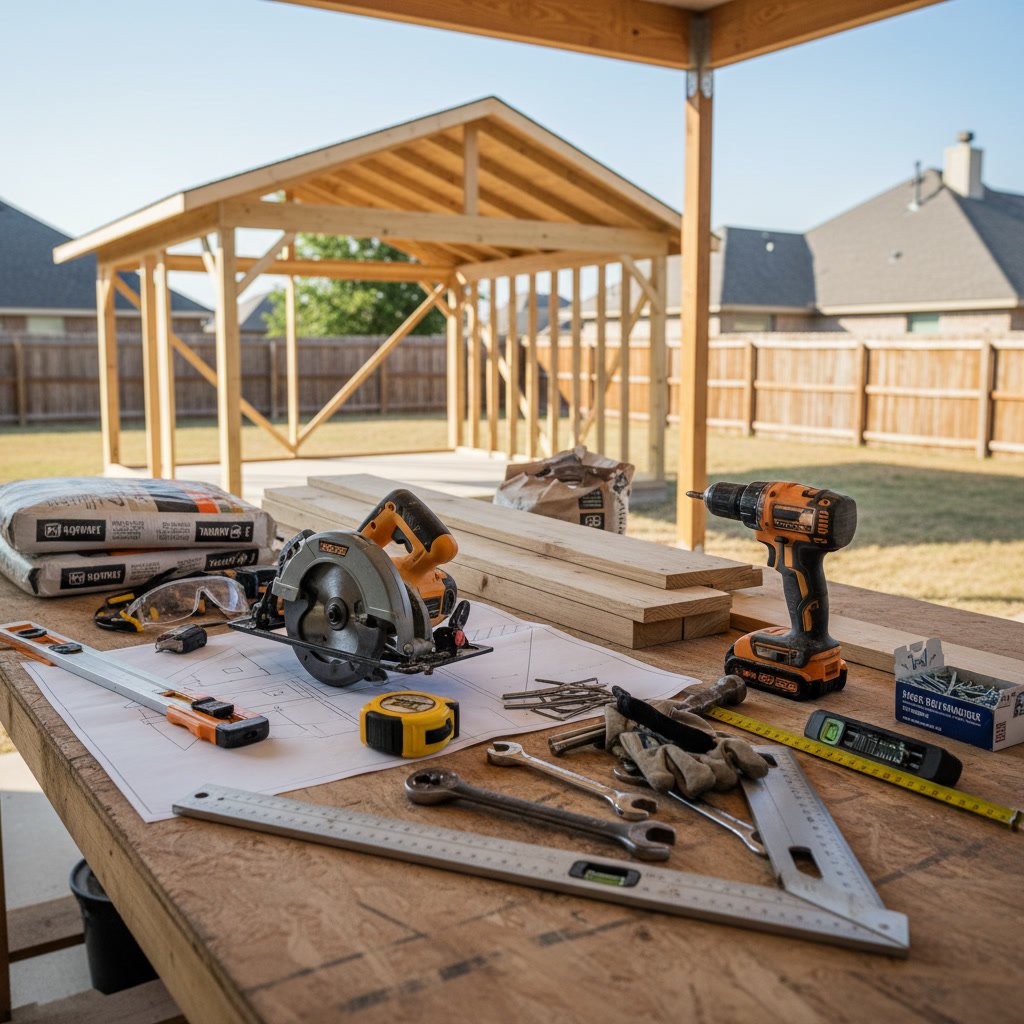
Must-have tools include a post hole digger (manual or powered auger), circular saw, drill with various bits, level (both 2-foot and 4-foot), tape measure, speed square, and socket wrench set. A miter saw makes cleaner cuts but isn’t strictly necessary if you’re careful with a circular saw.
Safety equipment matters in Texas heat. Work during morning hours when possible, stay hydrated, and wear gloves, safety glasses, and steel-toed boots. A hard hat isn’t overkill when you’re working overhead during roof panel installation.
Step-by-Step Construction Process
With permits approved and materials delivered, you’re ready to build. Most weekend DIYers complete a basic carport in three to five full days of work, spread across several weekends.
Preparing the Site and Setting Posts
Mark your carport footprint using stakes and string. Double-check that corners form 90-degree angles by measuring diagonals, which should be equal if your layout is square.
Dig post holes 24 to 36 inches deep, below the frost line and deep enough to prevent shifting. Texas doesn’t freeze deeply, but proper footing depth prevents settling. Holes should be 12 to 16 inches in diameter.
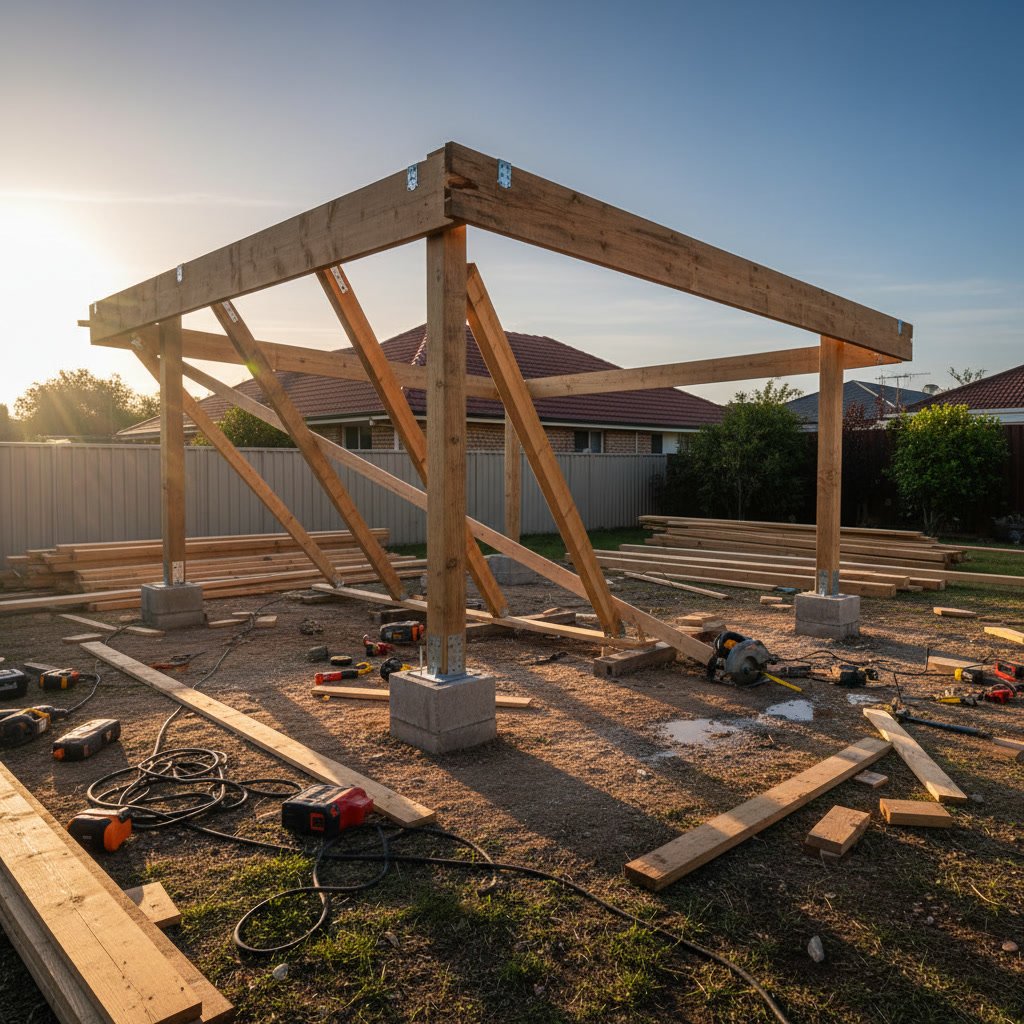
Set posts in concrete, checking plumb (vertical) with a level on two adjacent sides. Brace posts with temporary diagonal supports nailed to stakes driven into the ground. Let concrete cure for 48 hours before proceeding. This waiting period frustrates impatient builders but prevents costly mistakes.
Installing the Roof Frame
After posts cure, cut them to final height if needed. Attach beams to post tops using heavy-duty galvanized brackets or by notching posts and bolting beams in place. The beam layout depends on your chosen roof style: flat, gabled, or shed (single slope).
Shed roofs work best for most DIY carports because they’re simpler to frame and provide good water runoff. Plan for at least a 1-in-12 slope (one inch of drop per foot of horizontal distance). A 12-foot-wide carport should drop 12 inches from high side to low.
Install rafters perpendicular to beams, spacing them 24 inches on center. Use joist hangers or toe-screw them into the beams. Many builders find joist hangers easier and stronger, worth the extra 50 dollars in hardware.
Adding Roofing and Finishing Touches
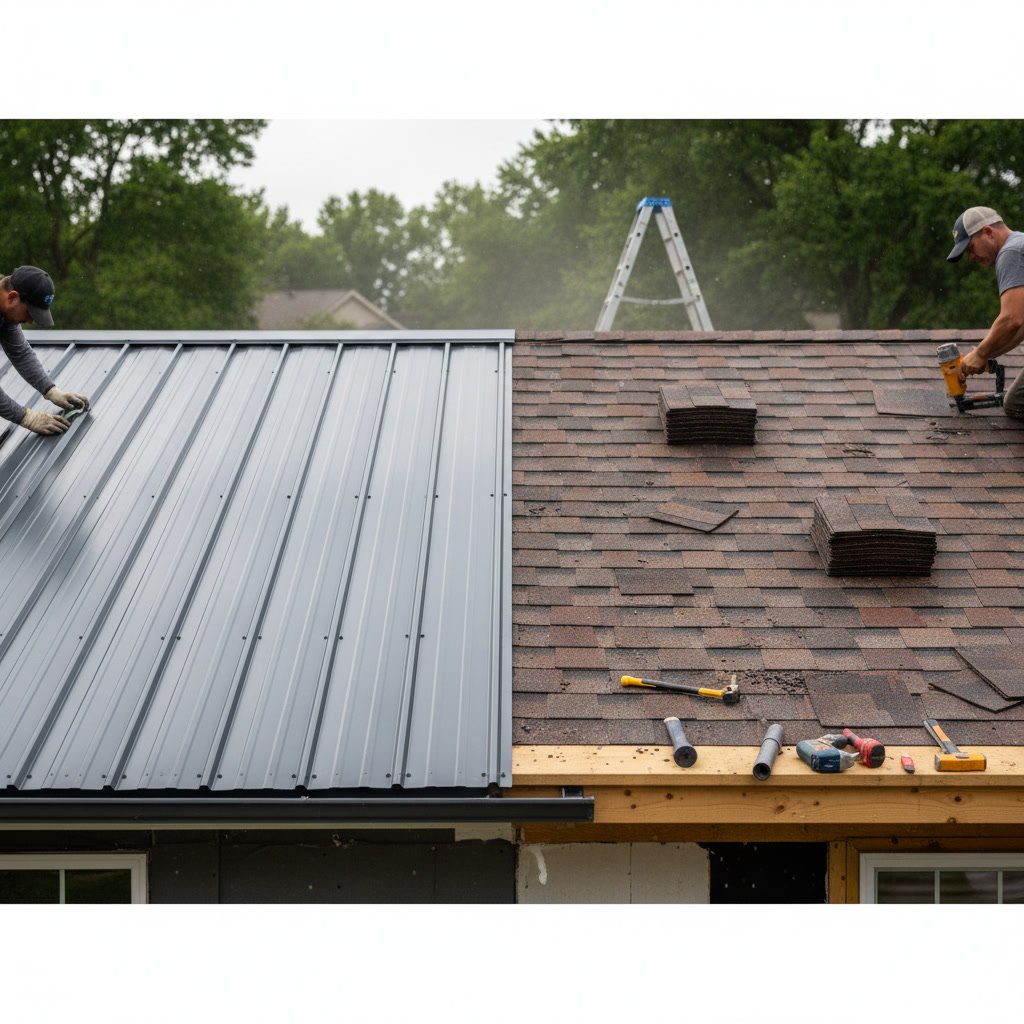
Attach roofing panels starting from the low edge and working upward. Metal panels overlap by one corrugation on the sides and 6 inches on the ends. Pre-drill screw holes to prevent splitting and ensure screws land on the raised ribs, not valleys where water flows.
Install trim pieces along edges to give a finished appearance and prevent wind from getting under panels. Seal all screw penetrations with roofing sealant, checking manufacturer recommendations for the specific product you’re using.
Consider adding gutters to direct water away from the carport base. Standing water erodes foundations and creates mosquito breeding grounds during Texas summers. Basic gutter installation adds another day of work but protects your investment.
Common Mistakes DIY Builders Make
Many first-time carport builders underestimate the importance of level, plumb, and square. If posts aren’t truly vertical or corners aren’t square, problems multiply as you build upward. Roof panels won’t fit correctly, and the structure may lean over time.
Another common error involves inadequate concrete footings. Texas clay soil expands and contracts with moisture changes. Shallow or improperly sized footings lead to shifting posts and structural problems within a year or two. Follow code requirements even if they seem excessive.
Choosing the wrong fasteners causes premature failure. Standard screws rust quickly outdoors. Always use galvanized or stainless steel hardware rated for exterior use. The few extra dollars you save on cheap screws will cost hundreds in repairs.
Ignoring wind loads proves costly during severe weather. Plano experiences strong thunderstorm winds and occasional tornadoes. Properly bracket all connections and consider adding diagonal bracing between posts for structures over 15 feet wide.
When DIY Isn’t the Right Choice
Honesty about your skill level saves money in the long run. If you’ve never built anything larger than a bookshelf, a carport might not be the best starting project. Complex roof lines, attached structures, or sites with significant slope require experience most homeowners don’t have.
Time constraints matter too. A project that sits half-finished for months creates eyesores, HOA complaints, and deteriorating materials. If you can’t commit consecutive weekends to completion, hiring professionals makes more sense.
Physical limitations are real. Setting posts, lifting beams, and working overhead demands strength and stamina. There’s no shame in recognizing when a job exceeds what you can safely handle. Similar challenges appear in other outdoor projects, like when homeowners consider choosing the right fence for their backyard.
Complex sites with drainage issues, multiple utilities, or proximity to property lines often require professional expertise. The same companies that build decks and patio covers understand how to navigate these challenges efficiently.
Maintenance Tips to Extend Your Carport’s Life
A well-built carport requires minimal maintenance but shouldn’t be ignored completely. Inspect your structure twice yearly, preferably in spring and fall.
Check all fasteners and brackets for rust or looseness. Retighten any bolts that have worked loose due to wood shrinkage or expansion. Look for wood rot where posts contact concrete or where water might collect.
Clean roofing panels annually to remove leaves, dirt, and organic debris that trap moisture. A simple garden hose spray suffices for most cleaning. Avoid pressure washers on metal roofing, as high pressure can damage protective coatings.
Reapply wood sealant or paint every three to five years depending on product and sun exposure. South and west-facing sides take more abuse from UV rays and need more frequent attention.
Trim nearby trees to prevent branches from rubbing on your roof during wind. Even small branches create wear points that eventually lead to leaks or damaged panels.
Frequently Asked Questions
Do I need a permit to build a carport in Plano?
Yes, the City of Plano requires building permits for most carport construction. You’ll need to submit plans and pay permit fees before starting work. Contact the Plano Development Services Department at least four weeks before your planned start date to ensure you have proper approvals and meet all setback requirements.
How long does it take to build a carport yourself?
Most DIY builders complete a basic single-car carport in three to five full days of work, typically spread across three to four weekends. This timeline assumes you have materials ready, permits in hand, and work during good weather. Complex designs, larger sizes, or unexpected issues can extend the project to six or more weekends.
What’s the difference between a carport and a garage in terms of property value?
Garages typically add more value than carports because they provide enclosed, secure storage and climate control. However, a well-built carport still increases property value by protecting vehicles and providing covered space. Expect a carport to add 50 to 70 percent of its construction cost to your home’s value, while garages often return 80 to 90 percent.
Can I convert my carport to a garage later?
Yes, most carports can be converted to enclosed garages by adding walls, a garage door, and potentially extending the foundation. However, this requires additional permits and may trigger requirements to bring the entire structure up to current enclosed building codes, including electrical, insulation, and fire safety standards. Plan ahead if you think you might want a garage eventually.
What size carport do I need for two cars?
A standard two-car carport measures 20 feet by 20 feet, providing adequate space for most sedans or SUVs. If you drive larger trucks or want room to walk between vehicles, consider expanding to 22 or 24 feet wide. Length can extend to 24 feet for longer trucks or to provide covered workspace at the front or rear.
Making the Right Decision for Your Property
Building a carport in Plano yourself offers substantial savings and the satisfaction of completing a major home improvement project. With proper planning, attention to building codes, and realistic assessment of your skills and time, a DIY carport protects your vehicles for years to come.
However, not every homeowner has the tools, time, or experience to tackle this project safely and successfully. If you’ve reviewed this guide and realize the scope exceeds your comfort level, Moore Construction Co. has built quality carports throughout Plano, The Colony, Farmers Branch, and Irving for years. Our team handles everything from permits to final inspection, treating every customer like family.
Whether you’re ready to start your DIY project or would like professional help, we’re here to answer questions about your specific situation. Give us a call at +19728205950 to discuss your carport needs.