The choice between metal roofing and asphalt shingles comes down to three main factors: initial cost, expected lifespan, and long-term energy savings. Metal roofs typically last 40 to 70 years and reflect solar heat, reducing cooling costs by up to 25 percent. Asphalt shingles cost less upfront, last 15 to 30 years, and remain the most common residential roofing material in North America. Your decision should factor in how long you plan to stay in your home and your local climate conditions.
Understanding Your Roofing Options Today
Every homeowner eventually faces a roofing decision. The material you choose protects your largest investment and affects your home’s energy efficiency, insurance premiums, and resale value. Most residential properties use asphalt shingles because of their lower initial cost and wide availability. Metal roofing has gained market share over the past decade as homeowners recognize its durability and energy performance.
Both materials come in multiple styles and colors. Asphalt shingles range from basic three-tab designs to premium architectural styles that mimic wood shake or slate. Metal roofing includes standing seam panels, metal shingles, and corrugated profiles. The right choice depends on your budget, home style, and long-term plans.
The Real Cost Difference Between Materials
Asphalt shingles typically cost between $3.50 and $5.50 per square foot installed, making them the budget-friendly option for most projects. Metal roofing runs $7 to $12 per square foot for steel or aluminum, and $12 to $18 for copper or zinc. On a 2,000 square foot roof, expect to pay $7,000 to $11,000 for asphalt versus $14,000 to $24,000 for metal.
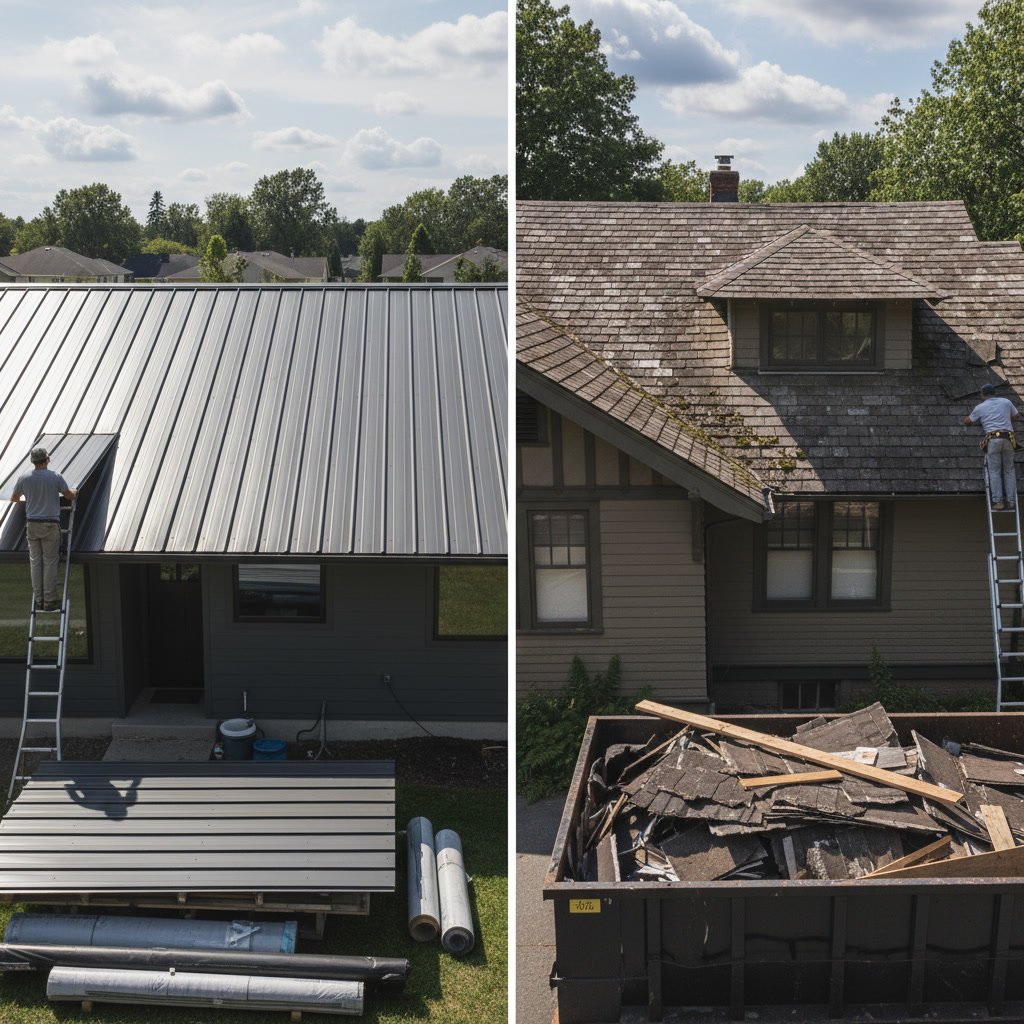
The price gap narrows when you factor in lifespan. Asphalt shingles need replacement every 20 to 25 years in Texas heat, while metal roofs can last 50 years or more with minimal maintenance. Over a 50-year period, you might replace asphalt shingles twice, effectively doubling the total cost. Our roofing team helps homeowners calculate total ownership costs rather than just upfront expenses.
How Weather and Climate Affect Your Choice
Texas weather presents specific challenges for roofing materials. Summer temperatures regularly exceed 100 degrees, hail storms strike with little warning, and occasional ice storms test material flexibility. Metal roofs excel in high heat because they reflect solar radiation rather than absorbing it. Light-colored metal can reflect up to 70 percent of solar energy, keeping attics 20 to 30 degrees cooler than with dark asphalt shingles.
Asphalt shingles absorb heat, which shortens their lifespan in hot climates. The petroleum-based materials break down faster under constant UV exposure. However, modern impact-resistant shingles perform well in hail-prone areas and cost less to repair if damaged. Metal roofs resist hail dents when properly installed with adequate thickness, typically 26-gauge steel or thicker.
Durability and Lifespan Expectations
Metal roofing lasts 40 to 70 years depending on the specific material and coating system. Galvalume-coated steel, the most common residential option, carries warranties of 30 to 50 years. Copper and zinc roofs can last over 100 years but carry premium pricing. Metal roofs resist fire, rot, insect damage, and mildew growth.
Asphalt shingles last 15 to 30 years in ideal conditions, but Texas heat typically shortens this to 18 to 22 years for standard shingles. Premium architectural shingles with higher-quality asphalt and thicker construction reach 25 to 30 years. Wind resistance matters in storm-prone areas. Quality shingles are rated for 110 to 130 mph winds, while metal roofing can withstand 140 mph or higher when properly fastened.
Energy Efficiency and Home Comfort in Plano
Metal roofs reduce cooling costs by reflecting solar heat rather than transferring it into your attic. Studies by the Cool Metal Roofing Coalition show energy savings of 10 to 25 percent during summer months. The savings vary based on insulation levels, roof color, and HVAC efficiency. Light colors deliver the best performance, while darker metal roofs still outperform asphalt shingles of any color.
Asphalt shingles contribute to urban heat island effects by absorbing and re-radiating heat. Your attic can reach 150 to 160 degrees on summer afternoons, forcing your air conditioner to work harder. Some newer shingles use reflective granules to improve solar reflectance, but they still lag behind metal. Moore Construction Co. installs both materials and can provide specific energy calculations for your home.
Installation Requirements and Considerations
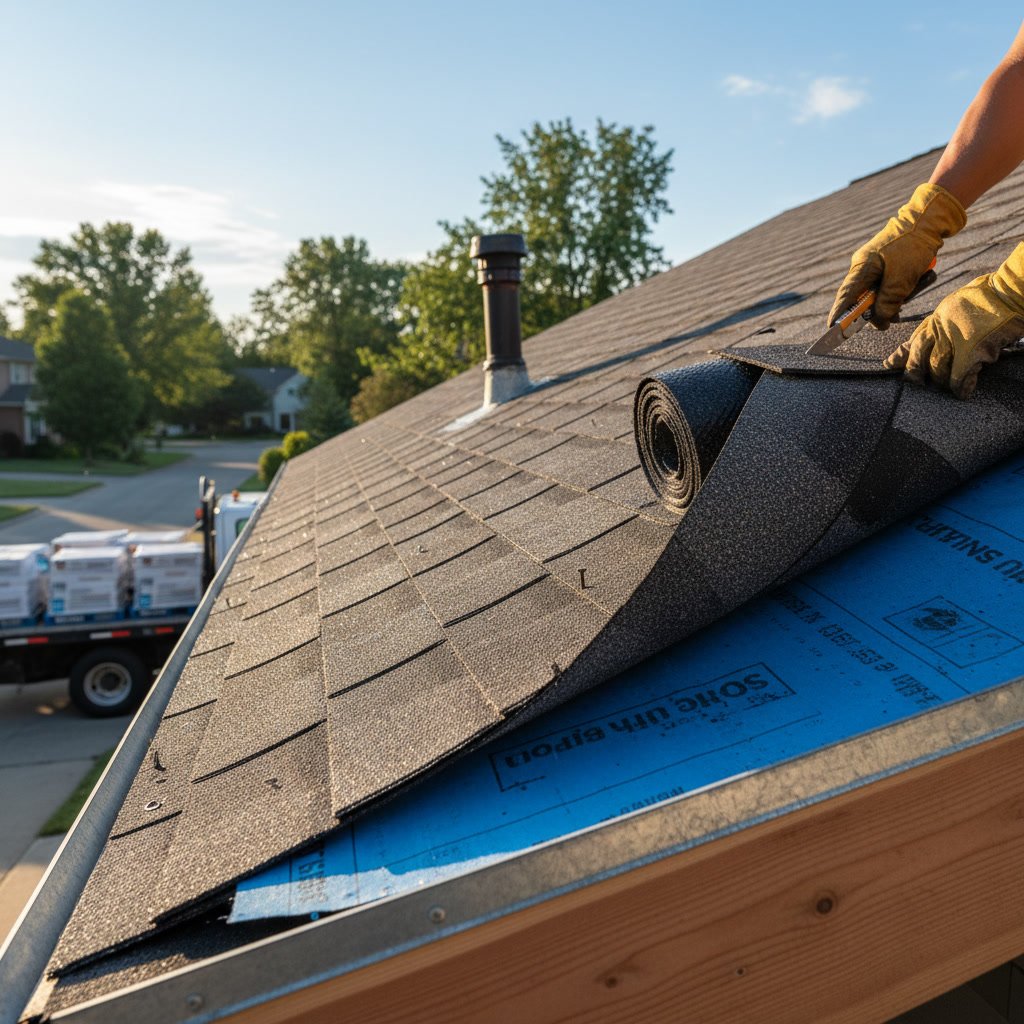
Asphalt shingles install quickly, typically taking one to three days for an average home. Most roofing contractors have extensive experience with shingle installation, making labor readily available and competitively priced. The material weighs 200 to 350 pounds per square (100 square feet), which most roof structures easily support without reinforcement.
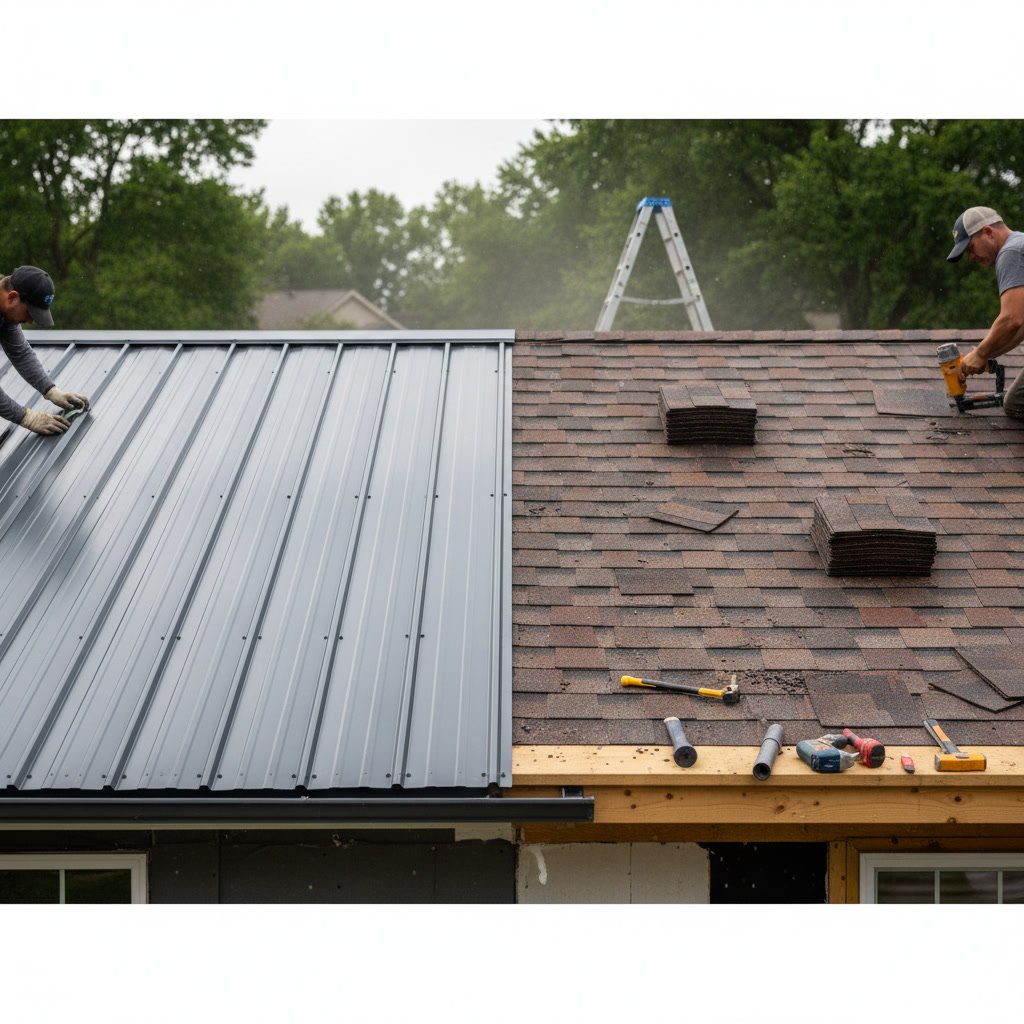
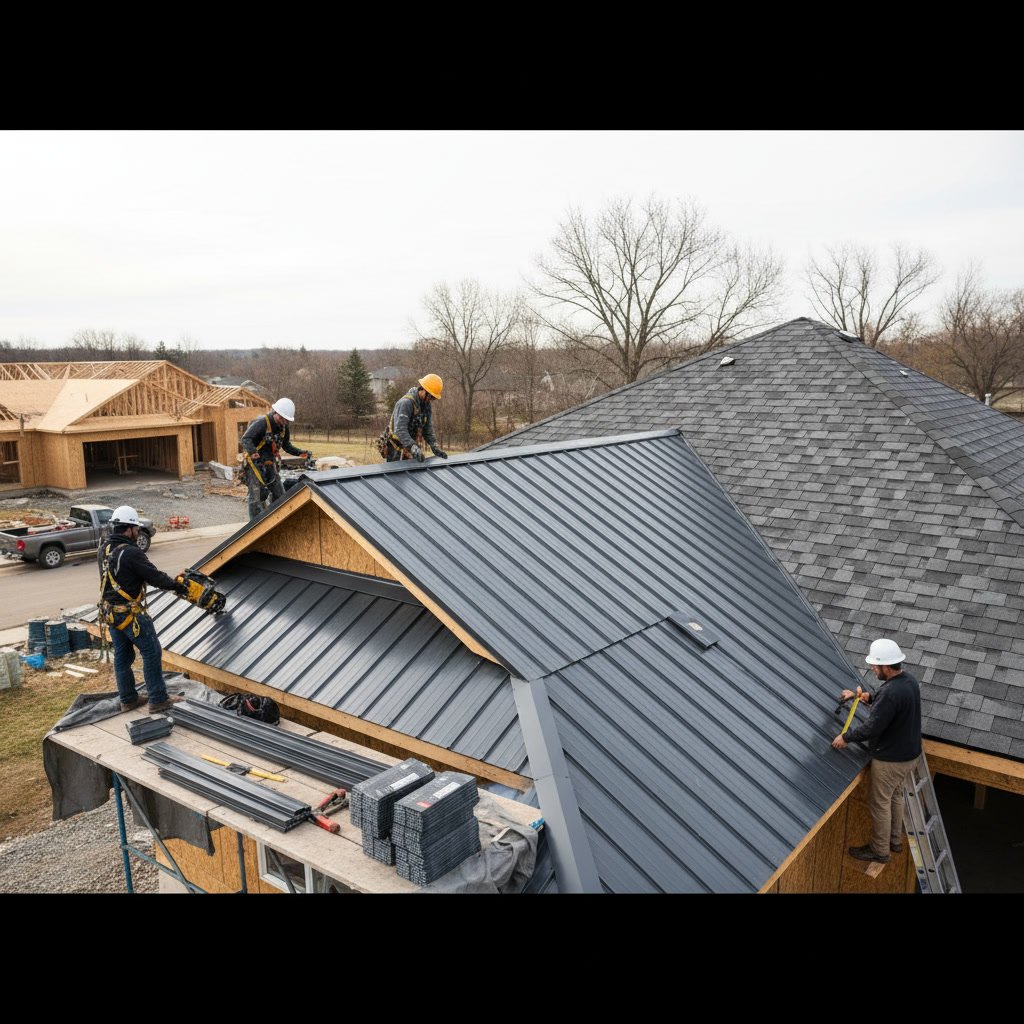
Metal roofing requires specialized skills and tools. Installation takes three to seven days depending on roof complexity and panel type. Standing seam metal roofs need precise measurements and careful panel alignment. The material weighs 50 to 150 pounds per square, making it one of the lightest roofing options. This lighter weight sometimes allows metal installation over existing shingles, saving on tear-off costs.
Maintenance Needs Over Time
Metal roofs need minimal maintenance beyond occasional inspections and debris removal. Check fasteners and sealants every few years, especially after severe weather. Leaves and branches should be cleared from valleys and gutters to prevent water pooling. Painted metal may need recoating after 25 to 30 years, but bare Galvalume and copper require no refinishing.
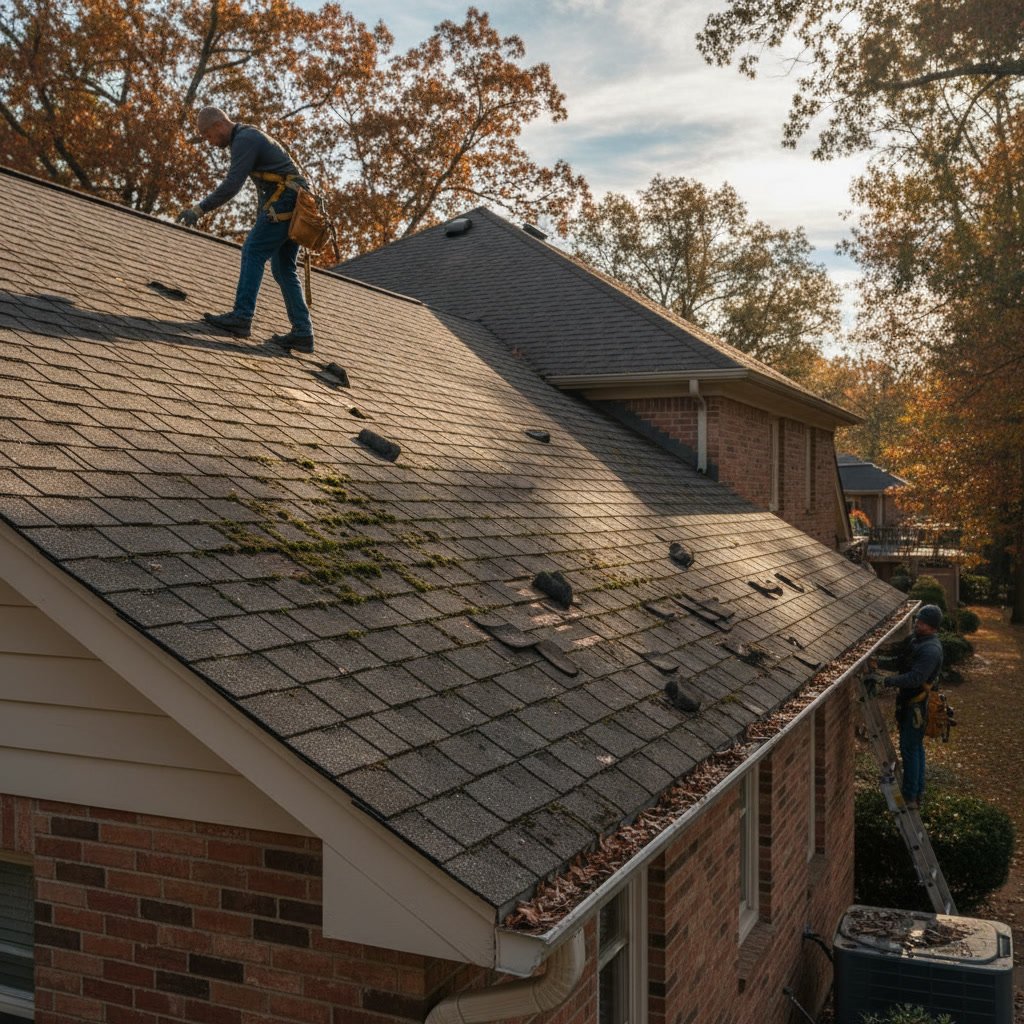
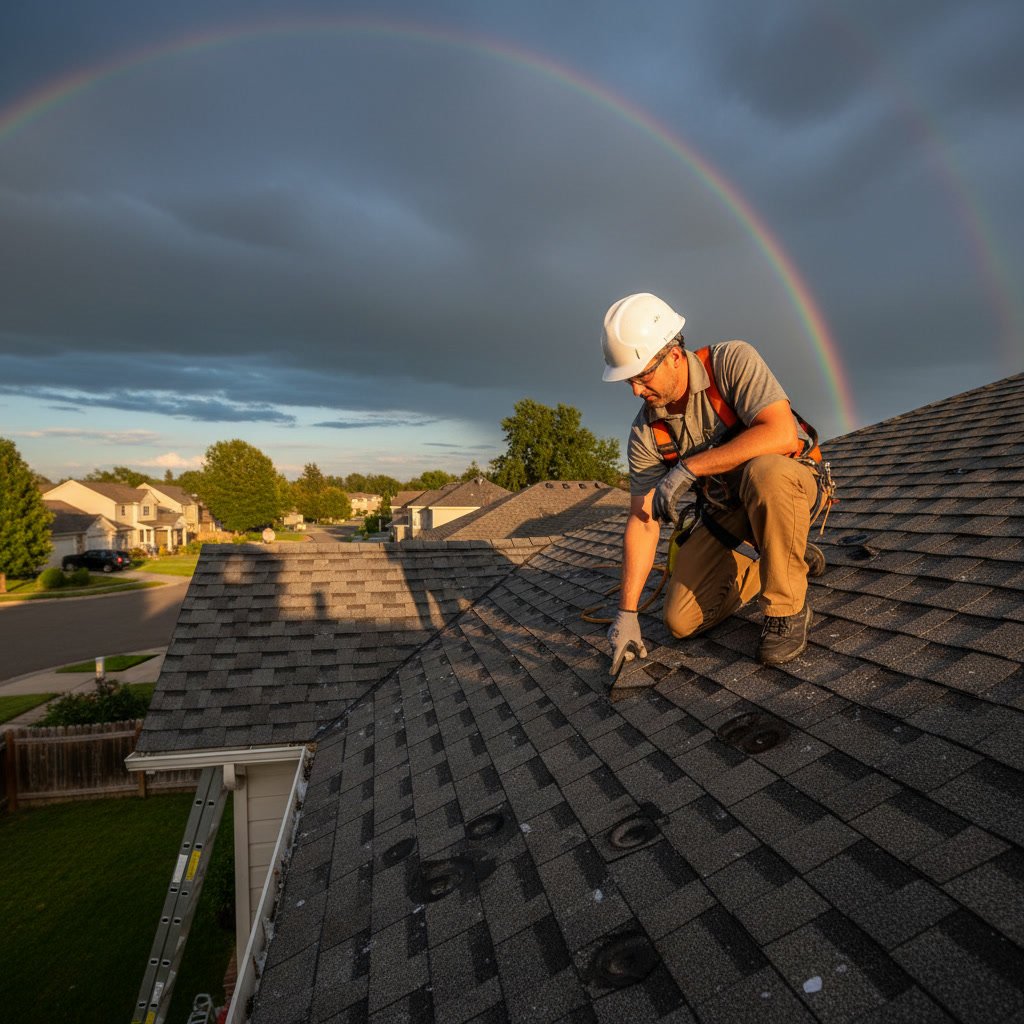
Asphalt shingles need more attention. Annual inspections catch problems early, before small issues become expensive repairs. Look for missing granules, cracked shingles, or lifted edges. Moss and algae growth require treatment in humid areas. Expect to replace individual damaged shingles periodically, especially after storms. Understanding your roof’s expected maintenance helps with long-term budget planning, similar to decisions about other exterior projects like siding or exterior paint.
Noise Levels During Rain and Hail
Many homeowners worry about noise with metal roofing. Modern installation techniques minimize sound transmission significantly. Solid roof decking, attic insulation, and proper underlayment absorb most noise. Inside your home, a properly installed metal roof sounds nearly identical to asphalt shingles during normal rain. Heavy hail creates more noise on any roof, but metal’s sound level remains tolerable with adequate insulation.
Asphalt shingles provide natural sound dampening due to their mass and composition. Rain and hail noise stays minimal even without extra insulation. If noise concerns you, discuss installation methods with your contractor. Adding extra underlayment or insulation can bring metal roof noise levels down to match shingles at modest additional cost.
Comparing Visual Appeal and Home Value
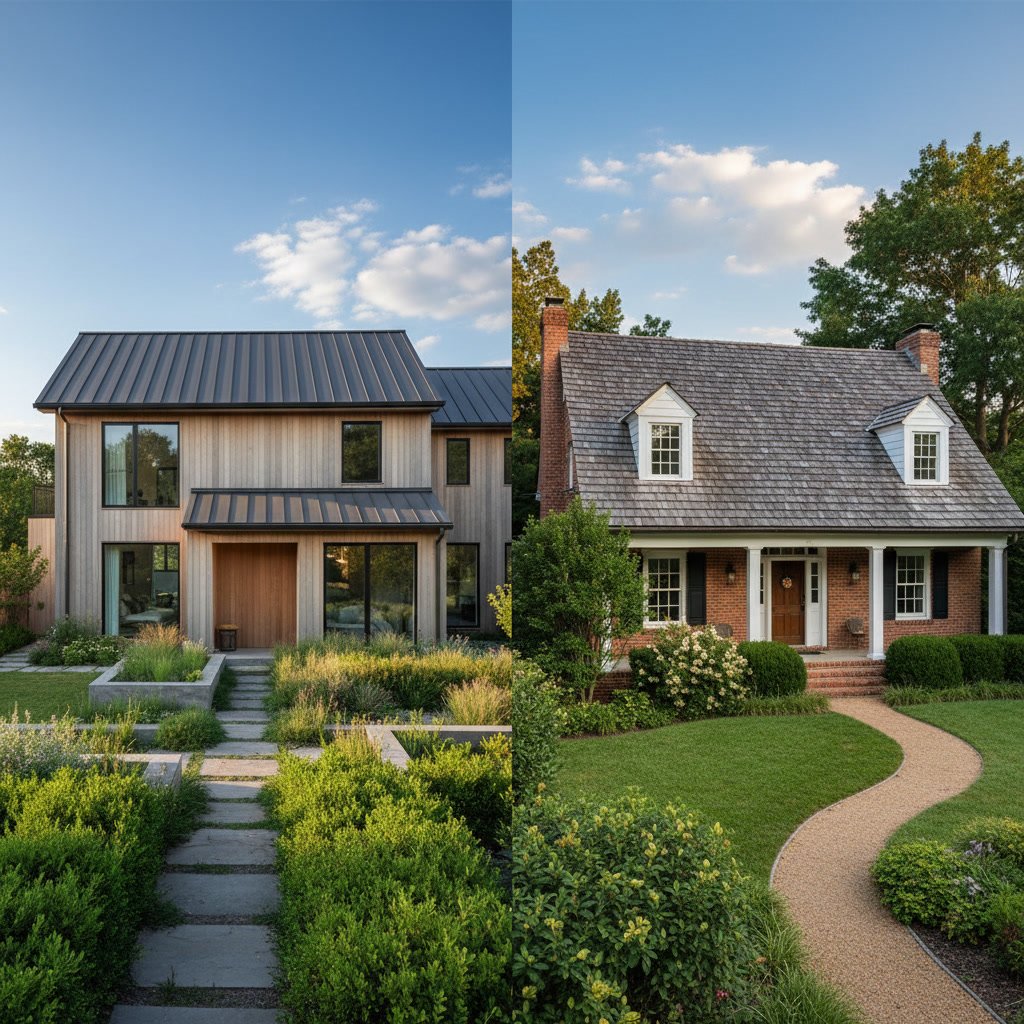
Curb appeal matters for personal enjoyment and resale value. Asphalt shingles offer the widest color selection and can match virtually any home style. Architectural shingles create depth and shadow lines that enhance visual interest. They blend naturally with traditional and contemporary designs throughout North Texas neighborhoods.
Metal roofing delivers a distinctive modern or agricultural aesthetic depending on the profile. Standing seam panels create clean horizontal lines that complement contemporary architecture. Metal shingles and tiles mimic traditional materials while offering metal’s durability. Real estate studies show metal roofs recoup 85 to 95 percent of their cost at resale, compared to 65 to 75 percent for asphalt shingles. The higher return comes from energy savings and the transferable remainder of long warranties.
Insurance and Warranty Protection
Insurance companies sometimes offer discounts for metal roofing because of its superior hail resistance and fire rating. Discounts range from 5 to 20 percent depending on your insurer and metal type. Impact-resistant asphalt shingles also qualify for discounts, typically 5 to 10 percent. Ask your insurance agent about available credits before making your decision.
Metal roof warranties typically cover materials for 30 to 50 years, with some offering limited lifetime coverage. Paint finish warranties run 25 to 40 years against fading and chalking. Asphalt shingle warranties range from 20 to 50 years but include prorated coverage that reduces value over time. Read warranty terms carefully because many exclude wind damage, improper installation, and inadequate ventilation. Installation warranties from reputable contractors matter as much as manufacturer coverage.
Making the Right Choice for Your Home
Your roofing decision balances immediate budget against long-term value. Choose asphalt shingles if you need the lowest upfront cost, plan to sell within 10 years, or prefer traditional aesthetics. Select metal roofing if you want maximum lifespan, lowest lifetime cost, best energy performance, and superior weather resistance. Consider how long you plan to own your home, because metal’s higher initial investment pays back over decades.
Local climate plays a major role. Texas heat, hail risk, and intense sun favor metal’s durability and reflectivity. Your home’s architectural style matters too. Some HOAs restrict metal roofing, so check covenants before deciding. Budget for proper installation regardless of material choice, because poor workmanship causes problems with either option. The best material installed poorly performs worse than average material installed expertly.
Both metal roofing and asphalt shingles protect homes effectively when matched to your specific needs and installed by experienced professionals. Metal delivers unmatched longevity and energy savings at higher upfront cost, while asphalt shingles provide proven performance and lower initial investment. Your choice should reflect your budget, timeline, and priorities for your home. Moore Construction Co. has installed both materials throughout the region for decades and helps homeowners evaluate their specific situations honestly.
Our team brings extensive experience with both roofing systems and can assess your home’s specific needs, from structural considerations to energy goals. Whether you choose metal or asphalt, proper installation determines long-term performance and value. Contact us at +19728205950 to schedule a free consultation and receive a detailed estimate based on your home’s measurements and your preferred materials.