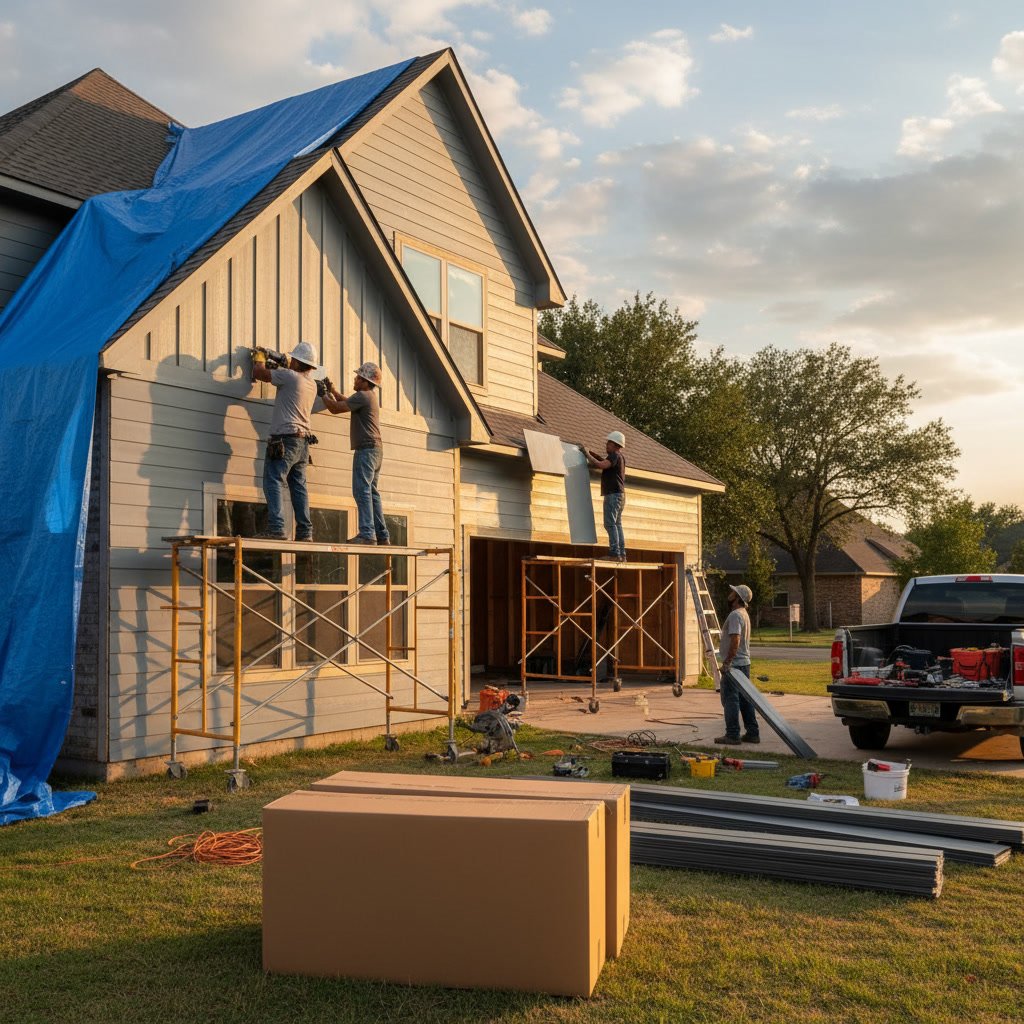
Asphalt shingle roofing uses layered fiberglass mats coated with asphalt and ceramic granules to shed water and protect your home. This system accounts for roughly 80% of residential roofs in North America because it balances cost, durability, and ease of installation better than any other material. Understanding how asphalt shingle roofing works helps you make informed decisions about your next roof replacement or new construction project.
The Anatomy of an Asphalt Shingle
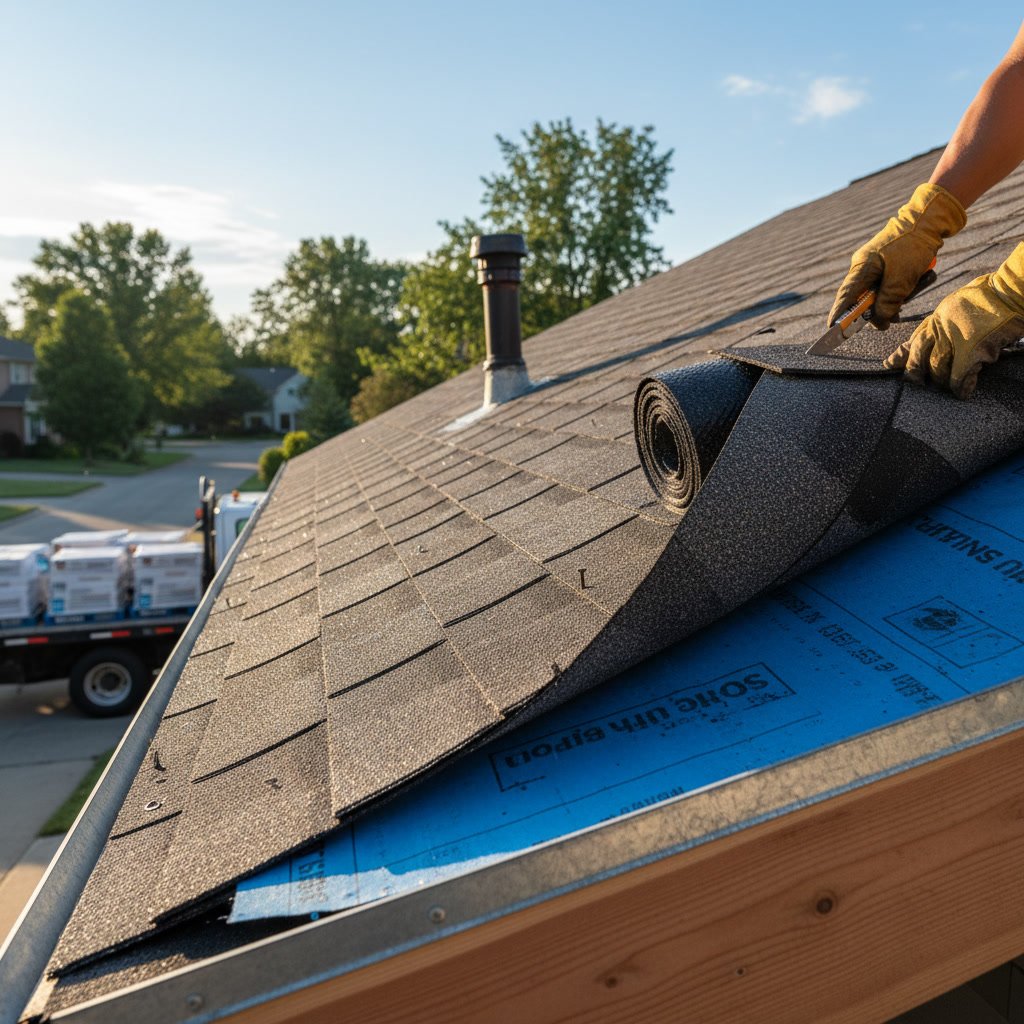
Each asphalt shingle contains three primary layers working together. The base mat, typically made from fiberglass, provides structural integrity and dimensional stability. Asphalt coats both sides of this mat, creating a waterproof barrier that keeps moisture out. Ceramic granules embedded in the top surface protect the asphalt from ultraviolet rays, add color, and provide fire resistance.
The manufacturing process bonds these layers under heat and pressure. Quality shingles use more asphalt and denser granule coverage, which directly affects lifespan and performance. A standard three-tab shingle weighs about 200 to 250 pounds per square (100 square feet), while architectural shingles can weigh 300 to 400 pounds per square due to their thicker construction.
Why This Roofing System Dominates the Market
Cost drives most roofing decisions. Asphalt shingles cost between $90 and $150 per square installed for basic three-tab versions, and $150 to $300 per square for architectural styles. Metal roofing costs two to three times more, while tile and slate can run five to ten times higher. The lower material and labor costs make asphalt accessible to most budgets.
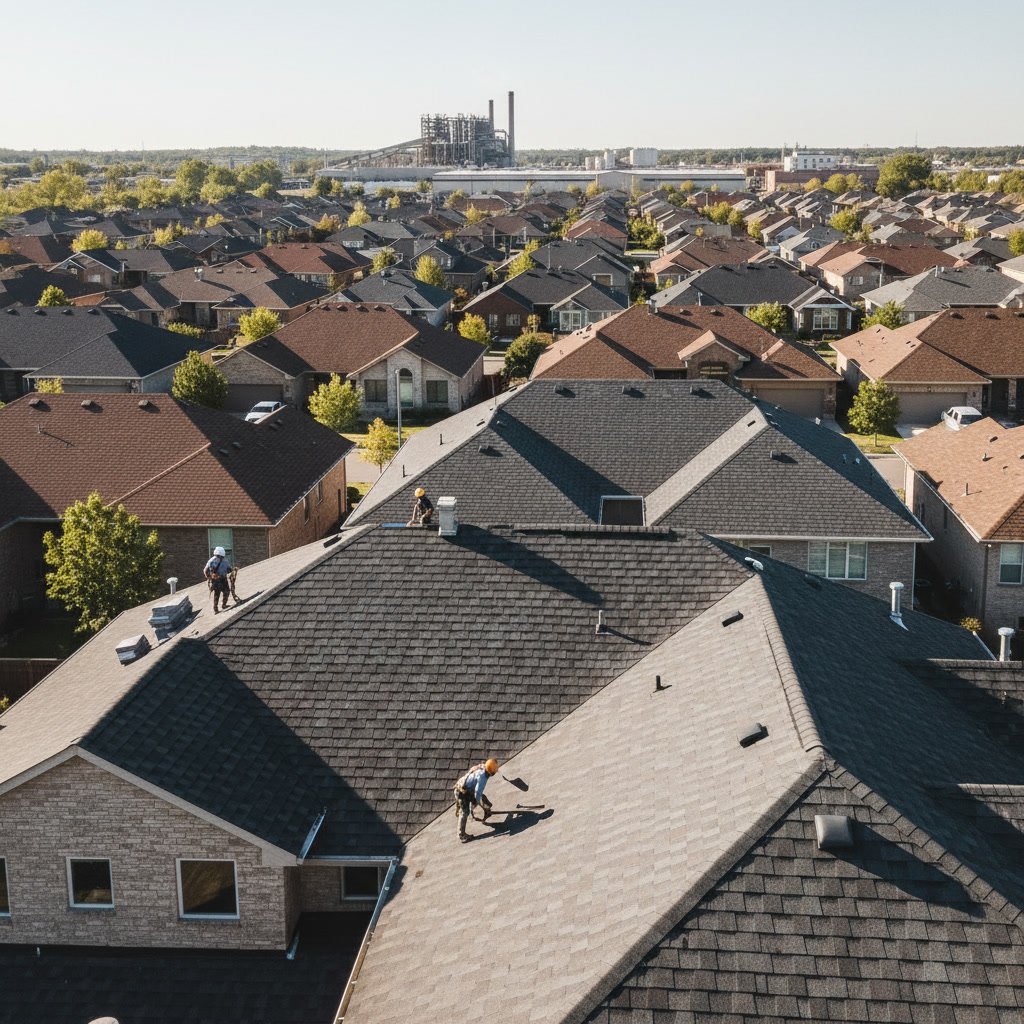
Installation speed matters too. A skilled crew can complete an average residential roofing project in two to four days, depending on complexity and weather. This reduces labor costs and gets your home protected faster than systems requiring specialized skills or equipment.
How Water Sheds Across the Roof Surface
Asphalt shingles rely on gravity and overlapping layers to move water down and off your roof. Each row overlaps the one below it by at least two inches, creating a continuous barrier. Water hits the top surface, runs down the face of each shingle, and drops onto the next row below.
The granule surface adds texture that slows water just enough to prevent it from overshooting valleys and gutters during heavy rain. Without this texture, smooth surfaces would allow water to travel too fast and potentially miss collection points. The slight roughness also helps snow and ice grip the roof rather than sliding off in dangerous sheets.
Installation Methods That Ensure Long-Term Performance
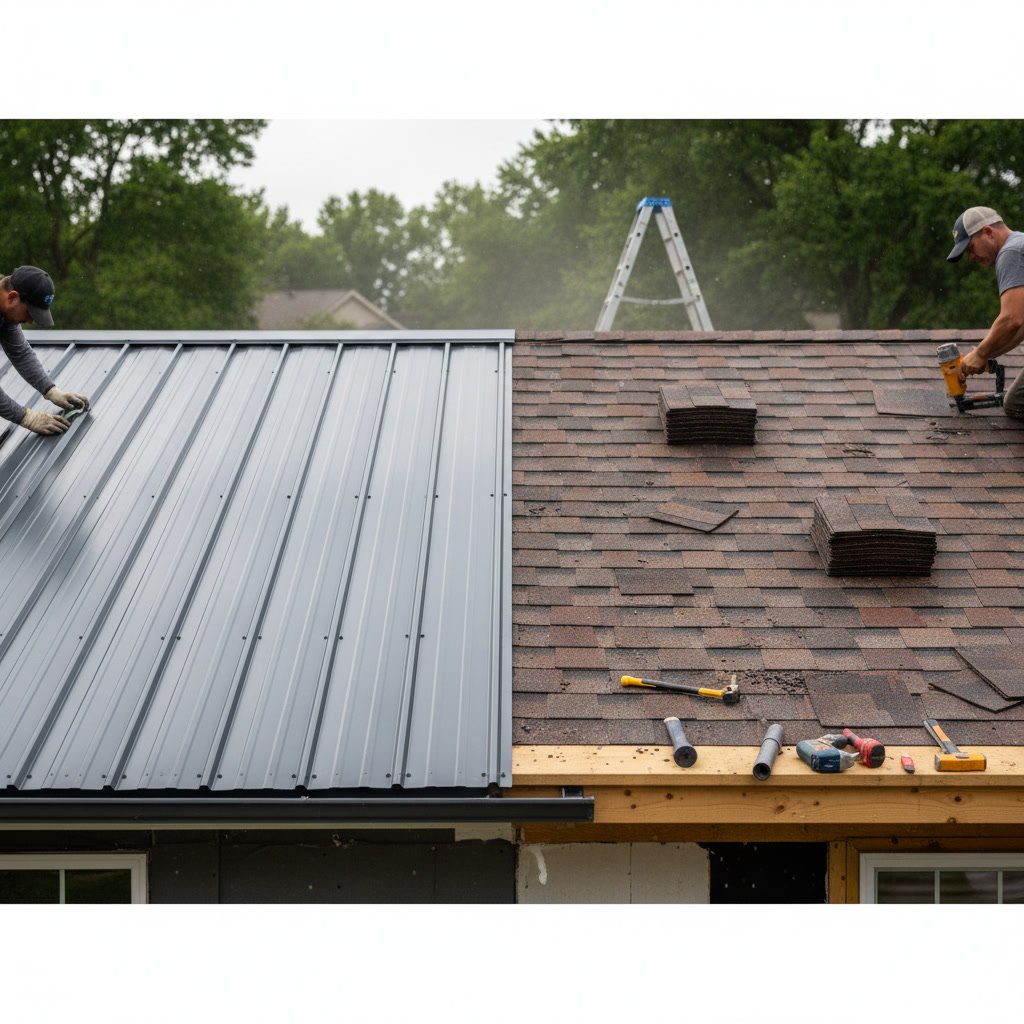
Proper installation starts with a solid deck, typically half-inch plywood or oriented strand board. A water-resistant underlayment covers the entire deck before any shingles go down. This secondary barrier catches any water that might work its way under shingles during wind-driven rain or ice dam conditions.
Installers secure each shingle with four to six nails placed in the manufacturer’s designated nail zone. Nails driven too high won’t catch the next course of shingles. Nails driven too low create visible holes and potential leak points. Overdriven nails tear the shingle mat, while underdriven nails leave the head exposed to rust and eventual failure.
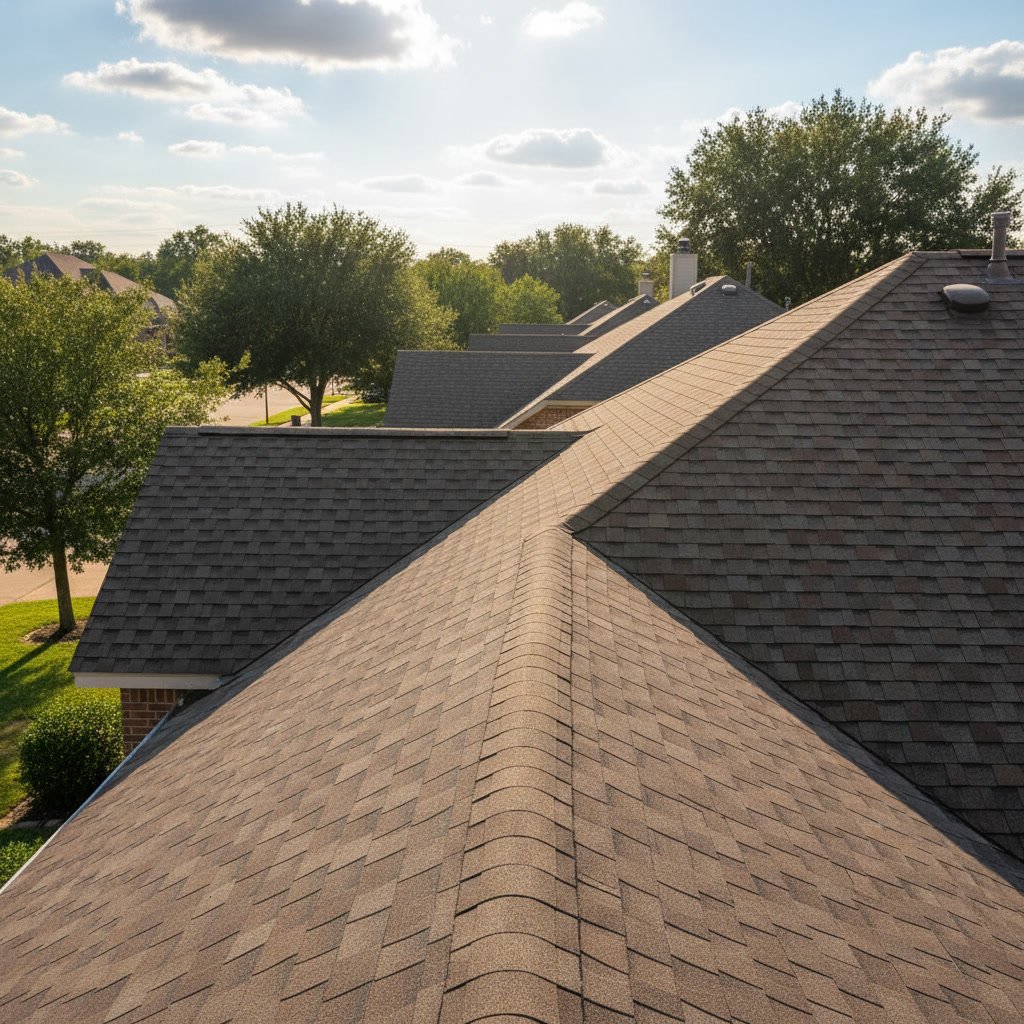
Starter strips along the eaves and rakes provide a clean edge and ensure the first course bonds properly. Ridge cap shingles, which are thicker and pre-bent, cover the peak where two roof planes meet. These specialized pieces prevent water infiltration at vulnerable transitions.
Three-Tab vs Architectural Shingles in Plano
Three-tab shingles feature a flat, uniform appearance with cutouts that create three distinct tabs per shingle. They measure roughly 12 inches tall and 36 inches wide. This simple design costs less but offers only 20 to 25 years of expected life in typical conditions.
Architectural shingles, also called dimensional or laminate shingles, layer two or more mat sections to create depth and shadow lines. They mimic the look of wood shakes or slate tiles. The extra material adds weight, improves wind resistance, and extends lifespan to 30 years or more. Most new construction in Plano uses architectural shingles because buyers prefer the enhanced curb appeal and longer warranty periods.
How Climate Affects Shingle Performance
Heat cycles stress asphalt shingles more than any other factor. Daytime temperatures can push roof surface temps above 160 degrees in summer, while nighttime cooling contracts the material. This expansion and contraction gradually weakens the bond between layers and causes granule loss.
Ultraviolet radiation breaks down the asphalt binder over time. Ceramic granules slow this process but can’t stop it entirely. South-facing roof planes age faster than north-facing sections because they receive more direct sunlight throughout the day. You’ll often see granule loss and curling start on these exposures first.
Wind resistance depends on proper installation and shingle weight. Standard shingles resist winds up to 60 mph, while premium architectural products can handle 110 to 130 mph gusts when installed correctly. The adhesive strip on the back of each shingle bonds to the course below after heat activation, creating a mechanical lock that resists uplift.
Ventilation and Its Role in Roof Longevity
Attic ventilation directly impacts shingle lifespan. Hot air trapped in your attic raises the underside temperature of the roof deck, which bakes shingles from below while the sun heats them from above. This double heating accelerates aging and can cut expected life by 30% or more.
Proper ventilation requires balanced intake and exhaust. Soffit vents along the eaves pull cool air in, while ridge vents or roof-mounted exhaust fans push hot air out. The temperature difference creates natural airflow that keeps the deck cooler. A well-ventilated attic runs only 10 to 15 degrees warmer than outside air on hot days, compared to 40 to 50 degrees warmer in poorly ventilated spaces.
Moisture control matters just as much as temperature. Bathroom fans, kitchen exhaust, and indoor humidity that escape into the attic can condense on the underside of the deck during cold weather. This moisture rots wood, promotes mold growth, and degrades shingles from below. Adequate ventilation removes this moisture before problems develop.
When to Replace vs Repair Your Asphalt Roof
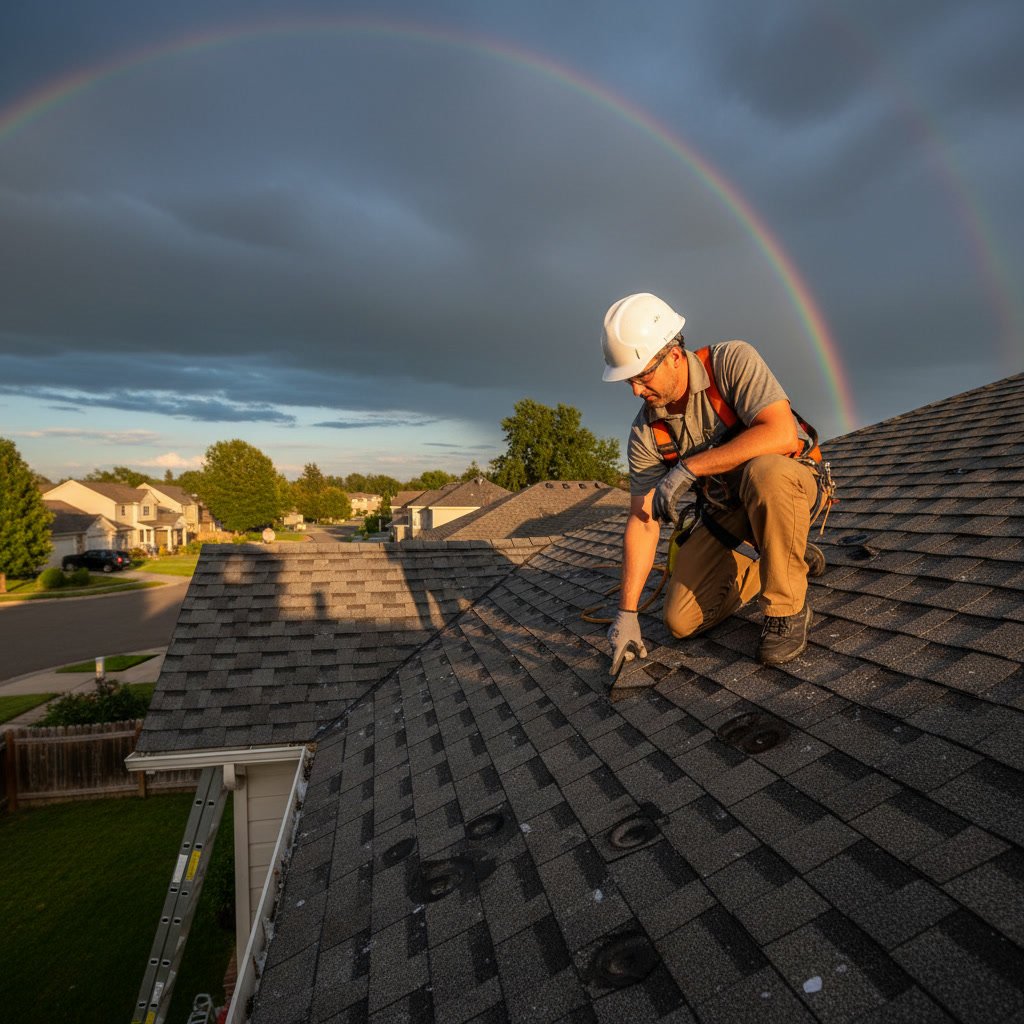
Isolated damage from a fallen branch or small leak often requires only patch work. You can replace a few shingles without disturbing the entire roof if the surrounding material remains in good condition. Replacement costs vary based on scope, but repairs typically run $300 to $800 for minor fixes.
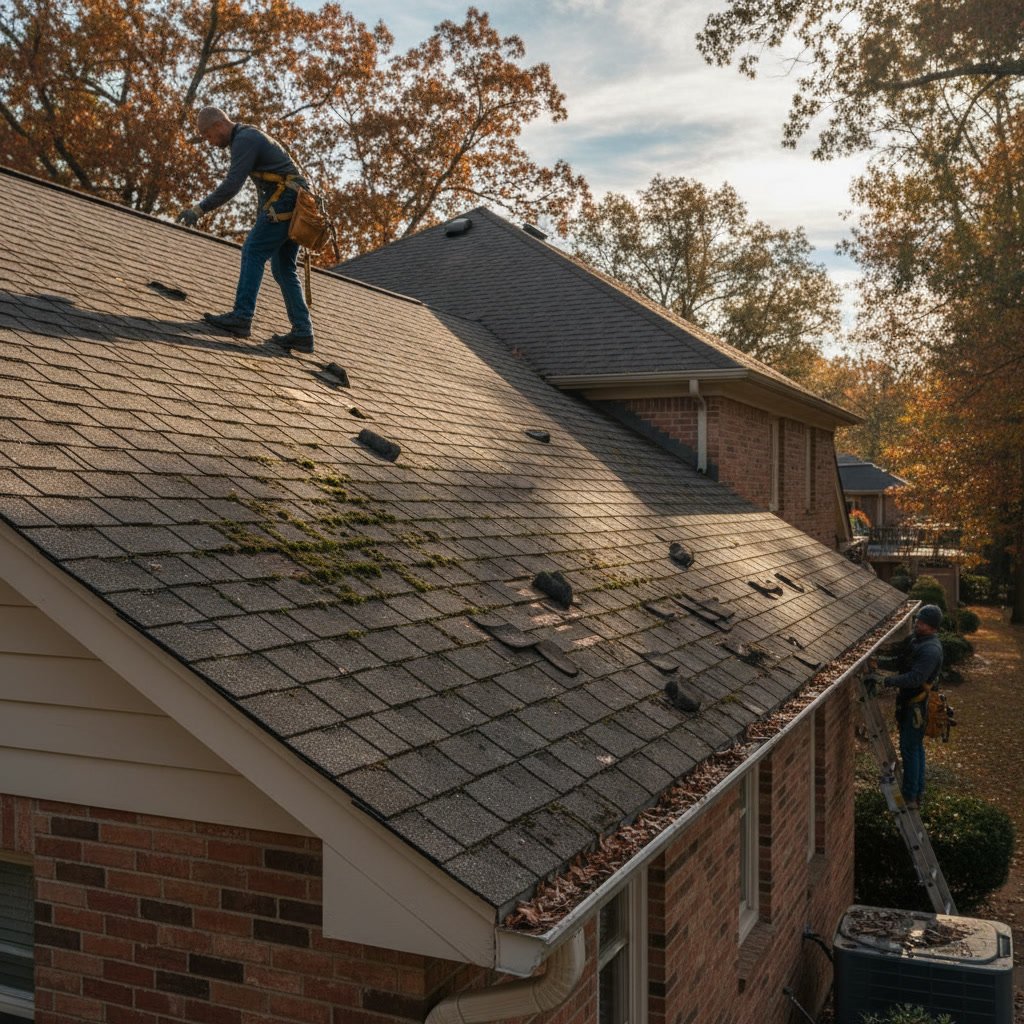
Widespread granule loss signals the end of useful life. Once you can see the black asphalt mat through large areas of missing granules, the shingles can no longer protect themselves from UV damage. Curling edges, cracked shingles across multiple sections, or daylight visible through the deck from inside the attic all indicate it’s time for a complete replacement rather than ongoing repairs.
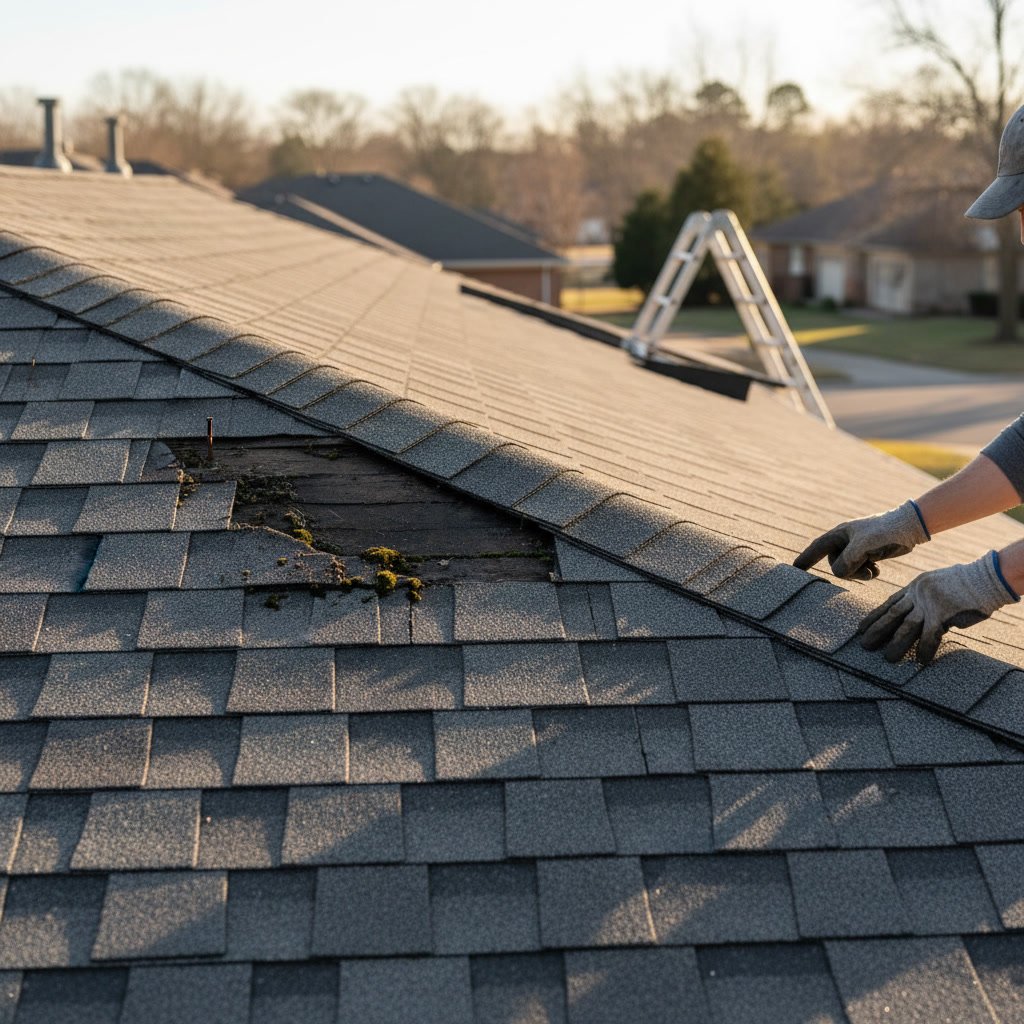
Age alone doesn’t require replacement if the roof still performs well. A 20-year-old architectural roof in good condition with no leaks may have five to ten years of service left. Regular inspections help you plan replacement on your schedule rather than waiting for an emergency during storm season.
Color Selection and Energy Efficiency Considerations
Darker shingles absorb more heat, which can raise attic temperatures by 10 to 20 degrees compared to lighter colors. This extra heat load increases cooling costs during summer months. Light gray, tan, and white shingles reflect more solar energy and keep your home cooler, though the actual savings typically amount to 5% to 10% on air conditioning bills.
Aesthetic preferences often outweigh energy concerns. Brown and charcoal shingles hide dirt and algae stains better than light colors in humid climates. Neighborhood standards and resale considerations influence color choices too. Most manufacturers offer 20 to 40 color options, giving you flexibility to match your home’s style while considering practical factors.
Cool roof technology uses specially formulated granules that reflect infrared radiation while maintaining dark appearance. These products cost 10% to 15% more than standard shingles but can qualify for energy tax credits in some areas. The performance difference is measurable but modest compared to other energy improvements like attic insulation or window upgrades.
Maintenance Steps That Extend Roof Life
Clean gutters prevent water backup that can work under shingles along the eaves. Debris-clogged gutters overflow during rain, soaking the fascia board and roof edge. This constant moisture exposure rots wood and loosens the first course of shingles. Twice-yearly cleaning, in spring and fall, prevents most water-related damage.
Trim tree branches that hang within six feet of your roof. Rubbing branches wear away granules and create entry points for squirrels and raccoons. Falling leaves and pine needles trap moisture against the shingles, promoting algae and moss growth. Keeping vegetation back improves air circulation and reduces organic debris accumulation.
Annual inspections catch small problems before they become expensive repairs. Walk around your property and look for missing or damaged shingles, exposed nail heads, and deteriorating flashing around chimneys and vents. Binoculars let you inspect from the ground if you’re not comfortable on a ladder. Professional inspections every three to five years provide a more detailed assessment.
Making the Right Choice for Your Home
Asphalt shingle roofing works through simple, proven principles that have protected homes for over a century. The layered construction, gravity-based water shedding, and straightforward installation create a reliable system at an accessible price point. This combination explains why the vast majority of homeowners choose asphalt when replacing or installing a new roof.
Your specific needs determine whether basic three-tab or premium architectural shingles make more sense. Budget-conscious projects with shorter ownership timelines may favor lower-cost options, while long-term homeowners typically benefit from investing in heavier, longer-lasting products. Color, warranty coverage, and wind rating all factor into the final decision.
Moore Construction Co. has installed thousands of asphalt shingle roofs across the North Texas area, and our experience shows that proper installation matters more than brand selection. The best shingle installed poorly will fail early, while a mid-grade product installed correctly can exceed its rated lifespan. If you’re ready to discuss your roofing project, our team can walk you through options that match your home and budget. Call +19728205950 to schedule a free inspection and estimate.