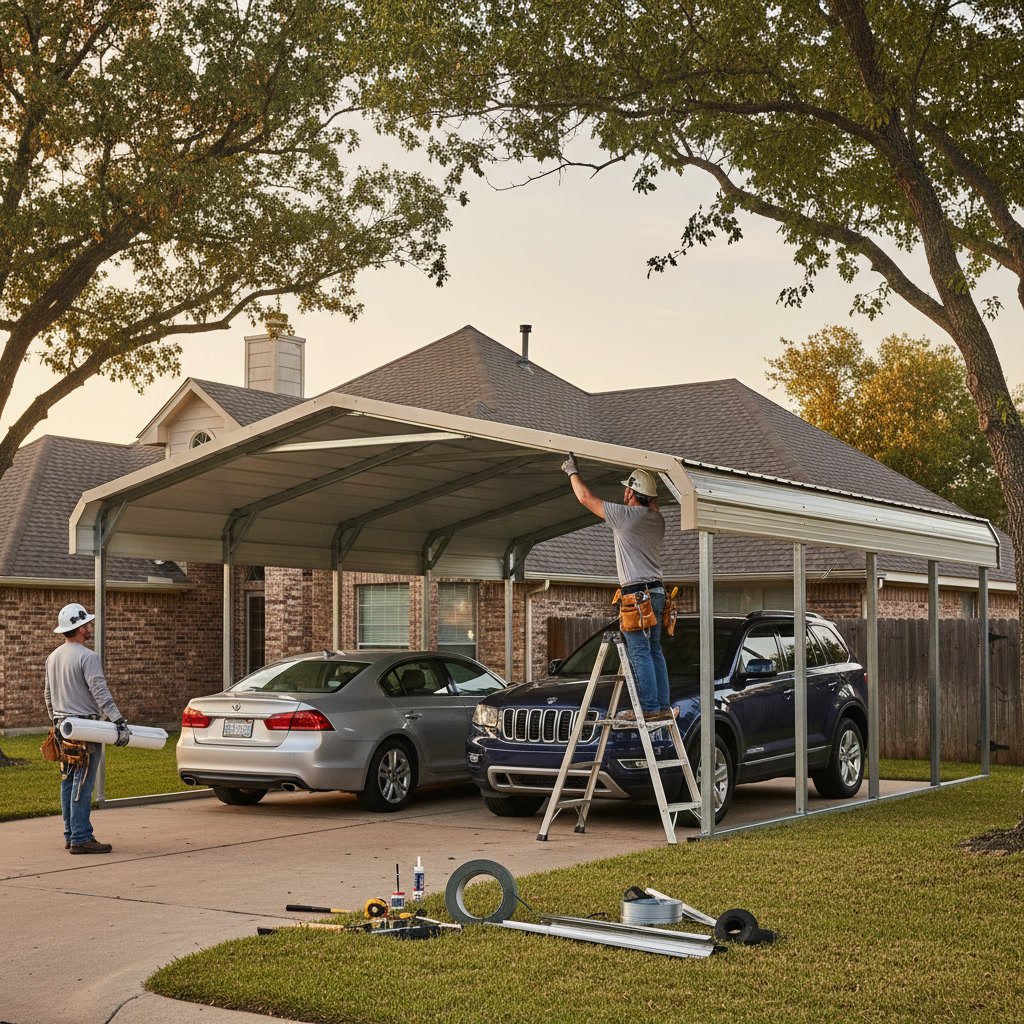
Metal carports have become an increasingly popular choice for Farmers Branch homeowners looking to protect their vehicles without the expense of building a full garage. Understanding the metal carport cost before you start planning helps you budget appropriately and make informed decisions about size, materials, and features.
This guide breaks down everything that affects metal carport pricing in Farmers Branch, from basic structures to fully customized installations. You’ll learn what to expect at different price points and how to get the best value for your investment.
Average Metal Carport Cost by Size
The size of your carport is the single biggest factor affecting total cost. Metal carport structures are typically priced per square foot, with larger units offering better value per square foot than smaller ones.
A single-car metal carport (12×20 feet) typically ranges from $1,200 to $3,500 for a basic structure. This covers one vehicle and provides basic protection from sun, rain, and debris. Installation costs add another $500 to $1,500 depending on site preparation needs.
Double-car carports (18×20 or 20×20 feet) generally cost between $2,500 and $6,000 for the structure itself. These units accommodate two vehicles side by side and often include center support posts for added stability.
Larger carports (24×24 feet or bigger) start around $4,000 and can exceed $10,000 for premium materials and custom features. These work well if you need space for multiple vehicles, RVs, boats, or additional storage.
Size Considerations for Your Property
Before settling on a size, measure your available space and consider future needs. A carport that fits your current vehicle might not accommodate a larger truck or SUV you purchase later.
Check Farmers Branch zoning requirements and homeowner association rules. Some neighborhoods restrict carport placement, height, or size, which can affect your options and total project cost.
Material Quality and Metal Carport Cost
Not all metal carports use the same materials, and quality differences significantly impact both price and longevity. The three main considerations are gauge thickness, roof style, and coating quality.
Standard carports use 29-gauge steel, which works for basic applications but may dent more easily. Mid-grade units feature 26-gauge steel with better durability. Premium carports use 22-gauge or 20-gauge steel that stands up to hail, fallen branches, and years of weather exposure.
Thicker gauge steel adds $200 to $800 to the base price depending on carport size, but the investment pays off in reduced maintenance and longer lifespan. In Farmers Branch, where severe weather can strike without warning, heavier gauge construction provides better protection.
Roof Styles and Their Price Impact
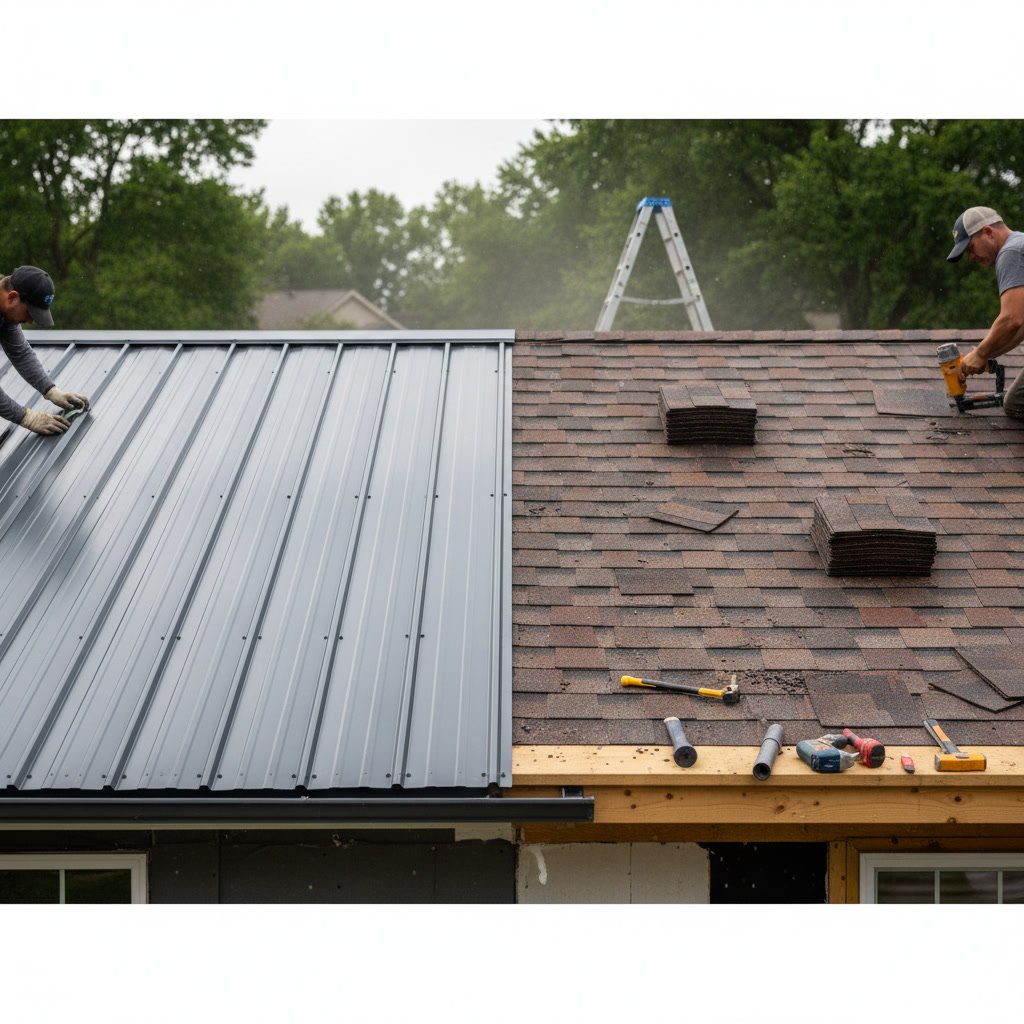
Regular roof style carports feature horizontal panels and represent the most affordable option. These work well in areas with light snow and moderate weather.
A-frame (also called boxed eave) roofs add $300 to $1,000 to the total metal carport cost but offer better water runoff and a cleaner appearance. The ridge caps and horizontal roof panels give a more finished look.
Vertical roof carports cost 15% to 25% more than regular roof styles but provide the best protection. The vertical panel orientation allows rain, snow, and debris to slide off easily. For a permanent installation, vertical roofing typically justifies the additional expense.
Installation Costs and Site Preparation
Many advertised carport prices cover only the structure itself, not installation or site prep. Understanding these additional costs prevents budget surprises when your project begins.
Professional installation typically adds $500 to $2,500 depending on carport size and site complexity. This includes anchoring the structure properly, ensuring level installation, and making all necessary adjustments.
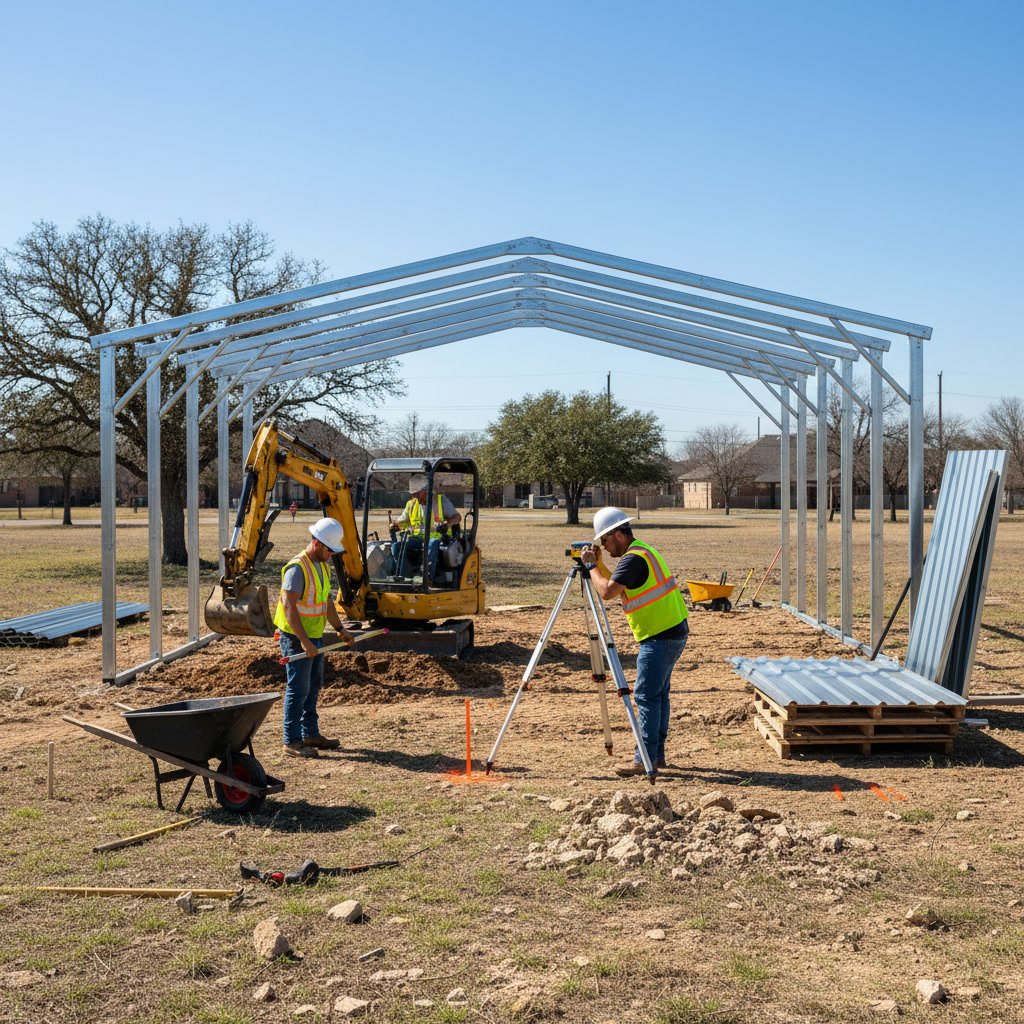
Site preparation varies widely based on your property. A level concrete pad or existing driveway requires minimal prep. Uneven ground, poor drainage, or areas needing vegetation removal increase costs significantly.
Foundation Options
Mobile home anchors represent the most affordable foundation method, costing $150 to $400. These work for temporary installations or areas with stable soil but may not satisfy local building codes for permanent structures.
Concrete footings provide superior stability and meet most code requirements. Expect to pay $400 to $1,200 for footing installation depending on the number of posts and soil conditions.
A full concrete slab offers the best foundation and creates usable floor space but represents a significant investment. Concrete slabs for carports cost $4 to $8 per square foot, adding $960 to $3,200 for a typical double-car carport. Consider exploring our concrete services if you’re planning a slab foundation.
Customization and Additional Features
Basic carports provide weather protection at the lowest price point, but most homeowners choose at least some customization to better match their needs and property aesthetics.
Enclosed sides add $200 to $800 per panel. Full enclosure essentially converts your carport into a metal garage, significantly increasing both functionality and cost. Partial enclosure on one or two sides provides wind protection while keeping costs moderate.
Color options beyond standard white or beige typically add $100 to $500. Matching your home’s trim or siding creates a more cohesive look and can improve property value.
Extra height costs $150 to $600 but proves essential if you plan to park an RV, boat, or lifted truck. Standard carports offer 6 to 7 feet of clearance, while tall units provide 10 to 14 feet.
Pro Tip: Consider future uses when selecting carport height. The relatively small upfront cost of extra clearance can save thousands later if you purchase a taller vehicle or want to add storage racks.
Doors and Access Features
Garage-style doors for enclosed carports range from $800 to $2,500 depending on size and insulation. Roll-up doors, sectional doors, and swing-out options each offer different benefits and price points.
Walk-in doors for enclosed units cost $200 to $600 installed. These provide convenient access without opening the main door and improve security for stored items.
Permit Costs and Code Compliance
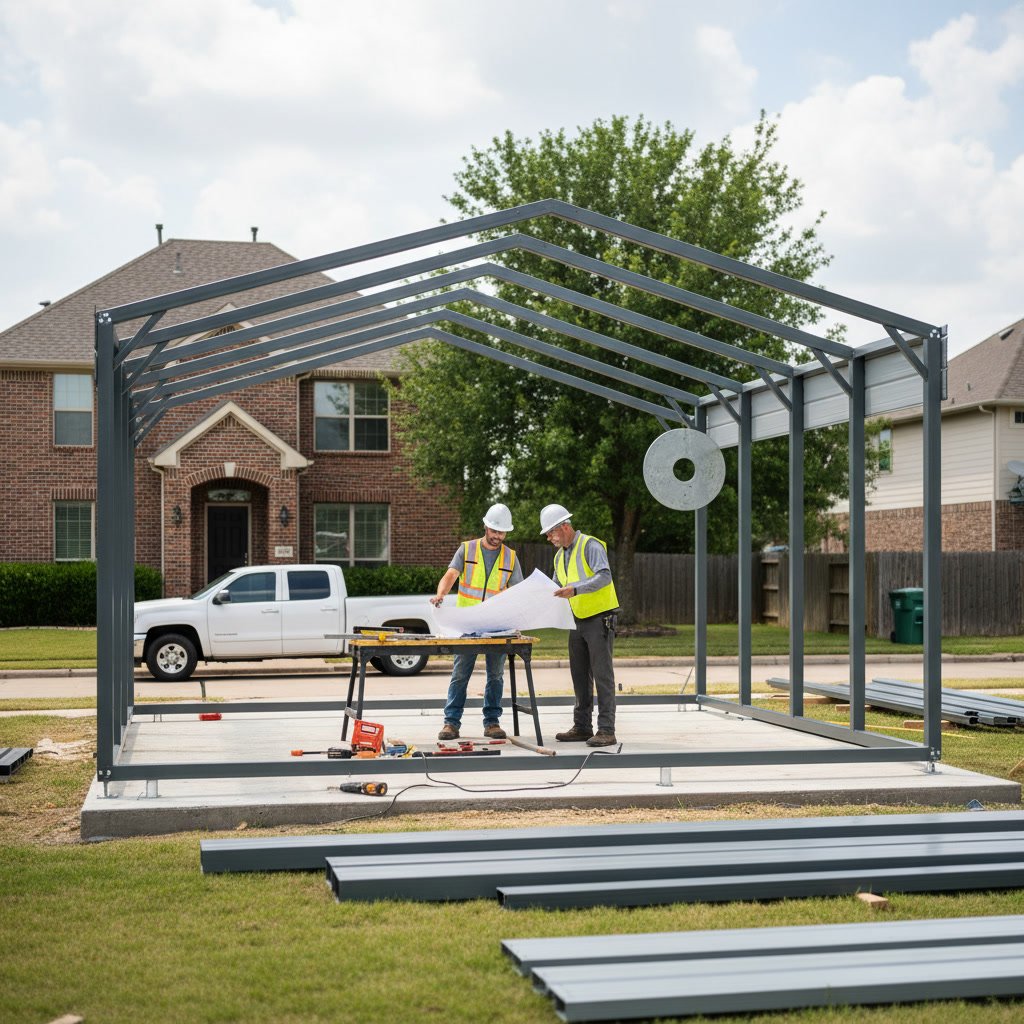
Farmers Branch requires building permits for most permanent carport installations. Permit fees typically range from $50 to $300 depending on structure size and value.
Wind load and snow load requirements affect structural design and cost. Farmers Branch falls in specific zones for these ratings, and your carport must meet minimum standards. Higher-rated structures cost more but provide necessary safety margins.
Setback requirements determine how close to property lines you can build. Violating setbacks can result in fines and forced removal, making permit compliance essential even though it adds time and cost to your project.
Working with experienced contractors like Moore Construction Co. helps navigate these requirements efficiently. Our team handles permit applications and ensures your carport installation meets all local codes from the start.
Comparing Metal Carports to Other Options
Understanding how metal carport cost compares to alternatives helps you make the right choice for your situation and budget.
Wooden carports cost $3,000 to $10,000 for similar sizes. They offer a traditional appearance but require regular maintenance including staining, sealing, and occasional board replacement. Total lifetime costs often exceed metal options.
Fabric carports represent the most affordable option at $300 to $1,500, but they last only three to five years before needing replacement. Wind damage, UV degradation, and torn fabric make these a short-term solution rather than a permanent investment.
Full garage construction costs $15,000 to $40,000 or more. This provides the best protection and adds more value to your property but requires significantly larger investment. For many Farmers Branch homeowners, metal carports offer the right balance of protection and affordability.
Similar budgeting considerations apply to other exterior projects. If you’re planning multiple improvements, our guide on roofing costs in the area can help with overall project planning.
Factors That Increase Metal Carport Cost
Beyond the basics of size and materials, several factors can push your final cost higher than initial estimates suggest.
Difficult access to your property increases installation costs. If installers cannot easily bring equipment and materials to the installation site, expect additional labor charges.
Underground utilities require location and careful work around them. Hitting water, gas, or electrical lines during installation creates expensive problems and delays. Professional utility location services cost $100 to $300 but prevent potentially catastrophic mistakes.
Rocky or clay soil complicates anchor installation. Contractors may need specialized equipment to set footings properly, adding $200 to $800 to installation costs.
Expedited timelines typically cost 10% to 20% more. Standard carport projects take two to six weeks from order to completion. Rushing the process increases costs for materials and labor.
Seasonal Pricing Variations
Metal carport cost can fluctuate with seasonal demand and material prices. Spring and fall represent peak building seasons when contractors are busiest and prices may be higher.
Winter installations sometimes offer savings as contractors have more availability. However, ground conditions and weather can complicate installation, potentially offsetting any discount.
Steel prices fluctuate based on market conditions. Significant price changes are less common for smaller projects like carports compared to large commercial orders, but asking about current material costs helps you time your purchase optimally.
Getting the Best Value for Your Investment
Maximizing value means finding the right balance between upfront cost and long-term satisfaction. The cheapest option rarely proves the best choice over time.
Invest in proper gauge steel for your needs. In Farmers Branch, 26-gauge or heavier steel resists weather damage better than thinner options. The $300 to $600 premium pays for itself through reduced repair needs and longer lifespan.
Choose vertical roof orientation for permanent installations. The 15% to 25% cost increase provides significantly better weather protection and requires less maintenance over the structure’s lifetime.
Plan for adequate size from the start. Adding square footage later costs more than building it correctly initially. Consider future vehicle purchases and storage needs, not just current requirements.
Key Takeaway: A properly sized, quality metal carport costs more upfront but delivers better protection and lower total cost of ownership than undersized or low-quality alternatives.
Financing Options
Many carport suppliers and contractors offer financing programs. Monthly payment options make larger or higher-quality structures accessible even with limited cash on hand.
Home equity loans or lines of credit often provide lower interest rates than contractor financing. For significant projects, comparing all financing options helps minimize total cost.
Some homeowners bundle carport installation with other projects like fencing or patio covers to achieve better overall pricing and coordinated aesthetics.
Frequently Asked Questions
How long does a metal carport last?
Quality metal carports typically last 20 to 30 years with minimal maintenance. Heavier gauge steel and proper installation extend lifespan, while thinner materials in harsh climates may need replacement sooner. Regular cleaning and inspection help maximize longevity regardless of initial quality.
Do metal carports require maintenance?
Metal carports need very little maintenance compared to wood structures. Annual inspection for loose bolts, debris accumulation, and coating damage takes about 30 minutes. Touch up any scratches or chips in the coating to prevent rust. Overall maintenance costs rarely exceed $50 per year for quality installations.
Will a metal carport increase my property taxes?
Permanent carport installations may increase your property’s assessed value, potentially raising taxes slightly. The increase is typically modest compared to garage construction. Contact your local tax assessor for specific guidance, as policies vary. Temporary or non-anchored structures generally do not affect assessments.
Can I install a metal carport myself?
DIY installation is possible for smaller carports if you have construction experience and proper tools. However, professional installation ensures proper anchoring, level construction, and code compliance. Installation costs represent a small percentage of total project cost, and mistakes during DIY installation can compromise the structure’s safety and longevity.
How quickly can a metal carport be installed?
Once materials arrive, installation typically takes one to three days depending on size and site conditions. Ordering and delivery add two to four weeks. Site preparation before installation may require additional time. Total timeline from order to completion usually runs three to six weeks for most residential projects.
Planning Your Metal Carport Project
Understanding metal carport cost helps you budget appropriately and make decisions that balance immediate affordability with long-term value. Basic single-car structures start around $1,700 installed, while larger custom carports can exceed $12,000. Most Farmers Branch homeowners spend $3,000 to $7,000 for a quality double-car carport with professional installation.
Size, materials, roof style, and site conditions all significantly impact final costs. Investing in heavier gauge steel and vertical roof orientation typically provides the best long-term value for permanent installations.
Moore Construction Co. has extensive experience installing metal carports throughout Farmers Branch and surrounding areas. Our team handles everything from initial planning and permits through final installation, ensuring your project meets all local requirements and your expectations. Call us at +19728205950 to discuss your carport needs and receive a detailed quote based on your specific property and preferences.