


When you get right down to it, the main difference in single hung and double hung windows comes down to how they open. It’s all about the sashes. A single-hung window has a fixed top sash and a bottom one that slides up. Simple enough. But a double-hung window is a bit more versatile—both the top and bottom sections can move, and they often tilt inward for easier cleaning.
Understanding the Fundamental Mechanics
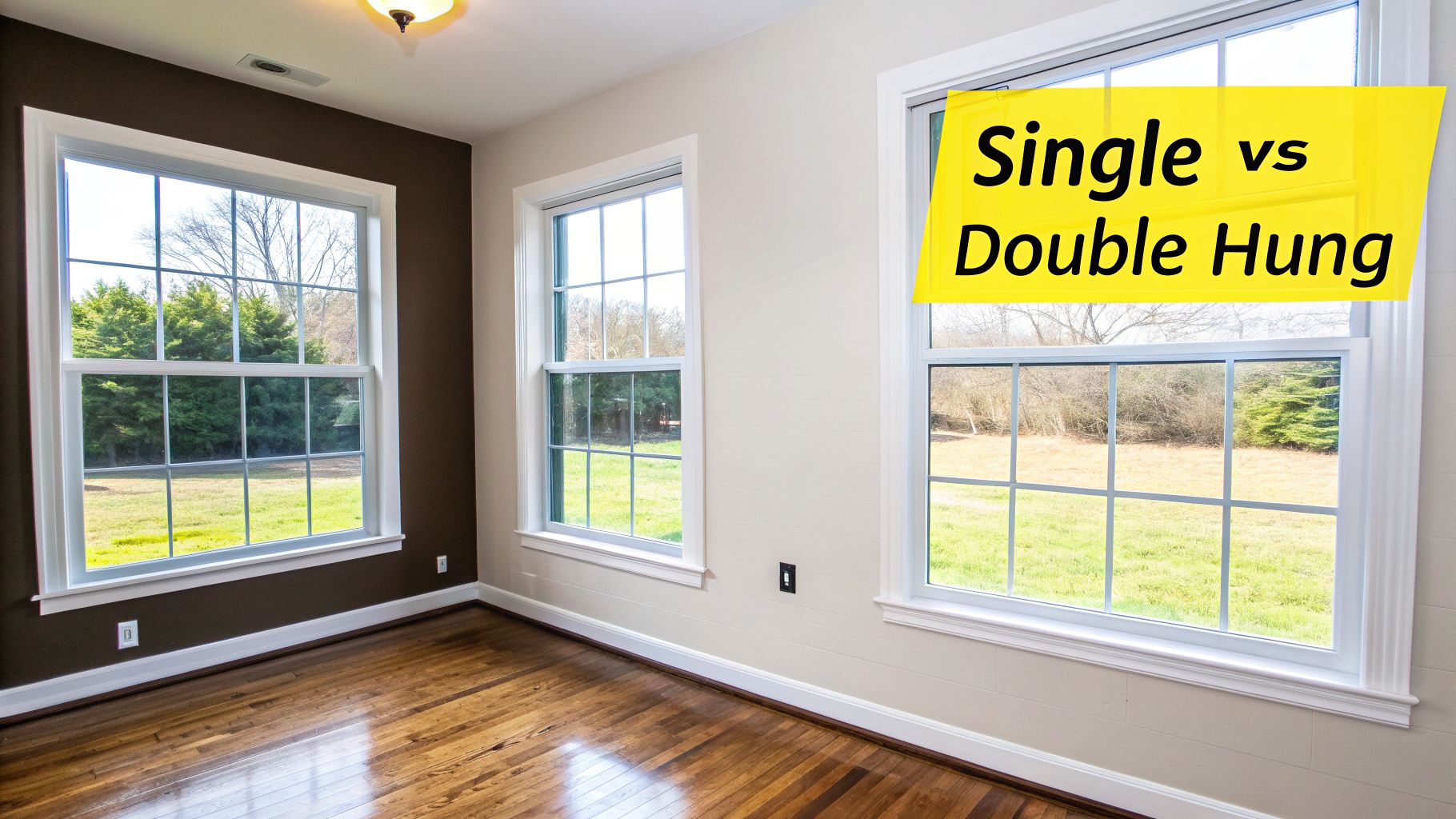
As you're weighing your options for new or replacement windows, this is the first thing to get a handle on. From a distance, they look almost identical, but how they operate changes everything—airflow, how you clean them, the cost, and even long-term maintenance.
These two styles are absolute classics and for good reason. They're so popular that together, they make up the largest slice of the pie, accounting for a massive 49.0% of the entire U.S. windows market. If you're interested in the nitty-gritty, you can dig deeper into the U.S. windows market report.
Knowing this basic difference is what helps you match the right window to the right room in your home.
How Each Window Operates
The key player here is the sash—that’s the part of the window that actually holds the glass in its frame. Both single-hung and double-hung windows have two sashes stacked one on top of the other.
Single-Hung Operation: This is the straightforward option. Only the bottom sash moves. It slides up to open and down to close, while the top sash stays put. It's a simple, secure, and time-tested design.
Double-Hung Operation: Here’s where you get more flexibility. Both the bottom and top sashes are fully operational. You can slide the bottom one up like a traditional window, or you can slide the top one down. You can even open both a little to get some serious air circulation going.
That ability to open the top sash on a double-hung window is a game-changer. It lets the warm, stuffy air that collects near your ceiling escape out the top while drawing cool, fresh air in through the bottom. It’s a natural and efficient way to ventilate a room.
This extra functionality is a huge reason why so many homeowners lean towards double-hung models.
At a Glance Comparing Single Hung and Double Hung Windows
Sometimes you just need a quick side-by-side. This table breaks down the core differences between single-hung and double-hung windows, hitting the main points like operation, ventilation, and cleaning.
| Feature | Single Hung Window | Double Hung Window |
|---|---|---|
| Sash Operation | Bottom sash slides up; top sash is fixed. | Both top and bottom sashes slide up and down. |
| Ventilation | Limited to one opening at the bottom. | More flexible, allowing top, bottom, or dual opening. |
| Cleaning | Exterior cleaning requires outdoor access. | Sashes often tilt inward for easy interior cleaning. |
| Typical Cost | Generally more affordable due to fewer moving parts. | Typically more expensive due to complex mechanics. |
While this table gives you the basics, the best choice really depends on the specific room, your budget, and how you live in your home.
Comparing Key Features and Practical Benefits
At first glance, single-hung and double-hung windows look nearly identical. But don't let that fool you—the functional differences have a huge impact on your day-to-day life. It’s in those real-world moments, like trying to cool a stuffy room or tackling spring cleaning, where you’ll really see how each style performs.
Let's dig deeper than just how they open and explore the practical pros and cons you’ll actually experience at home.
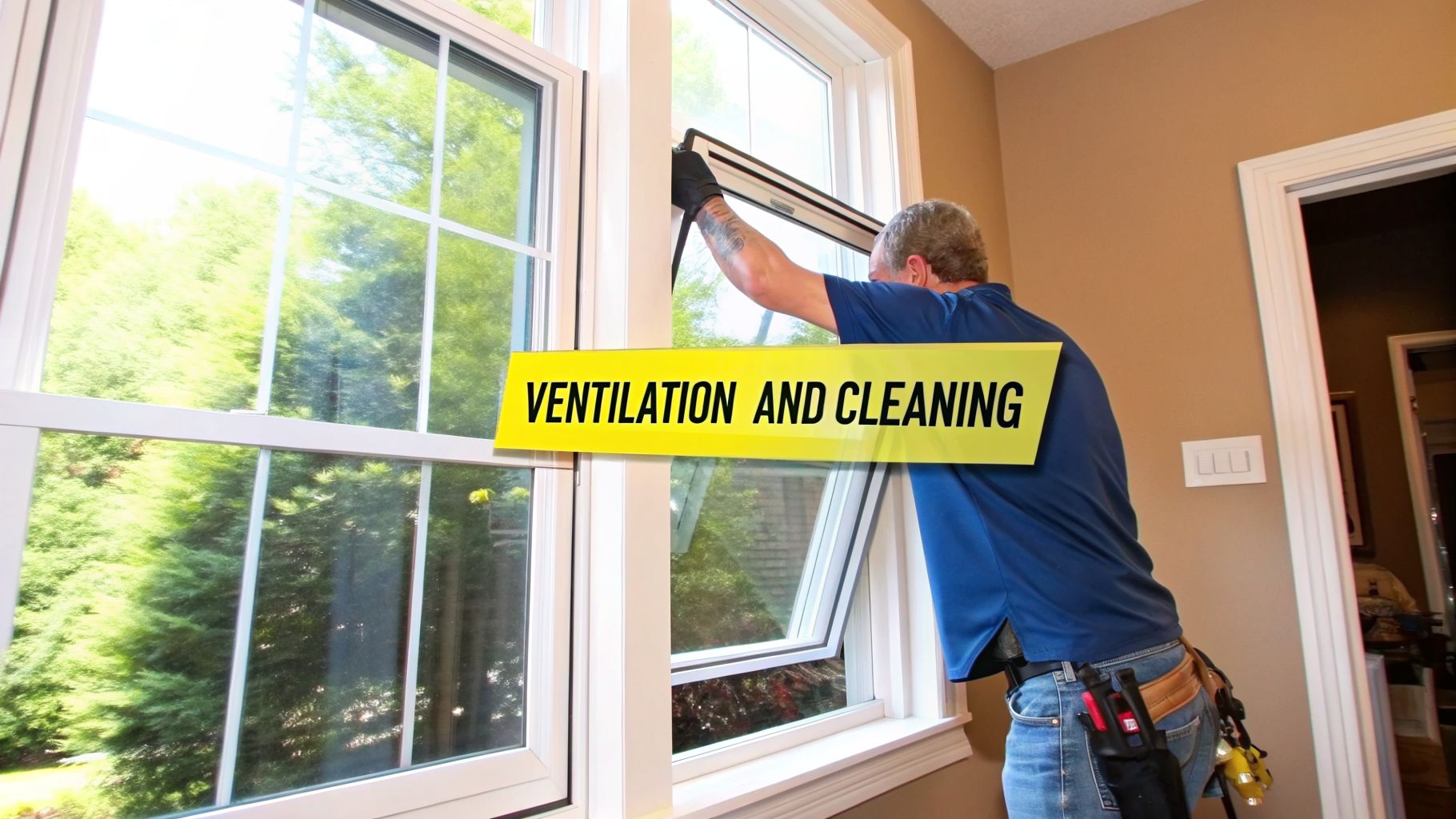
The primary difference in single hung and double hung windows really comes down to airflow, maintenance, and where you plan to install them in your house.
Ventilation and Air Circulation
With a single-hung window, you’re limited to opening the bottom sash. Air comes in one way, which is perfectly fine for many situations, especially on the ground floor where you just need a simple breeze.
Double-hung windows, on the other hand, are ventilation powerhouses. You can slide the top sash down a few inches and raise the bottom one up a bit. This simple action creates a natural convection current that works wonders.
This circular airflow is a game-changer, especially for second-story rooms or homes in Dallas-Fort Worth without central AC. It pulls hot, stale air out from the top while drawing cool, fresh air in through the bottom, making a room feel more comfortable without you ever touching the thermostat.
This enhanced airflow is a major reason so many homeowners put double-hung windows in bedrooms and kitchens, where air quality and temperature are top priorities.
Ease of Maintenance and Cleaning
This is where double-hung windows truly shine and often win people over. Most modern double-hung models come with tilt-in sashes. This means you can literally tilt both the top and bottom panels inward, letting you clean both sides of the glass from inside your home.
This one feature is a massive convenience for a few key reasons:
- Safety First: No more climbing a wobbly ladder to clean second-story windows. This is a huge safety advantage.
- Pure Convenience: What used to be a big seasonal chore with buckets and ladders becomes a quick indoor task you can knock out anytime.
- A Better Clean: You can easily wipe down every inch of the window, including the frame and sills, for a much more thorough cleaning.
To clean the outside of a single-hung window, you have to go outside. While that’s no big deal for the first floor, it becomes a real pain—and a potential hazard—for upper levels. If you're weighing different window functions, it helps to see how they compare to other popular styles. You can learn more in our detailed guide on sliding vs. casement windows.
Aesthetic Flexibility and Security
Visually, both window styles offer that classic, timeless look that fits right in with traditional North Texas home styles like Colonial, Craftsman, and modern Farmhouse. Since they slide up and down without swinging out, they’re perfect for spots next to patios, walkways, or decks where an outward-opening window would just get in the way.
Security is pretty comparable between the two, as high-quality locks are available for both. That said, the simpler design of a single-hung window—with just one moving part—can sometimes create a slightly tighter seal with fewer potential weak points.
However, double-hung windows offer a unique security perk: you can open just the top sash for ventilation. This lets air flow freely while keeping the bottom opening securely closed, which is a great feature for families with small children or pets.
Let's talk money. For most homeowners, this is where the decision really gets made. When you're comparing windows, the price tag is usually the first thing you look at, and this is where single-hung windows have a clear advantage. Their design is simpler—just one moving sash and fewer parts—which makes them cheaper to produce.
That lower upfront cost makes single-hung windows a really practical choice if you're working with a tight budget, building a new home, or updating a rental property where keeping initial expenses down is the name of the game. But the full financial picture isn't just about the initial purchase; it’s about what you get back on that investment over the long haul.
Beyond the Price Tag: Understanding Your Return
While you’ll pay more for double-hung windows at the outset, their extra features can really pay off in the long run. The ability to tilt the sashes in for easy cleaning, the superior control over ventilation, and the added flexibility are the kind of premium perks that homebuyers notice and value.
These practical benefits often translate to a higher resale value for your home. When potential buyers walk through and see well-maintained, highly functional double-hung windows, they see convenience and quality. In a competitive market like Dallas-Fort Worth, little things like that can make your property stand out.
Think of it as an investment in your home's daily usability and future marketability. While you save a bit upfront with single-hung windows, the premium you pay for double-hung models often comes back to you through ease of living and increased property appeal.
The market definitely shows a preference for this added function. The double-hung window market was valued at USD 5.3 billion and is expected to keep growing. In fact, the U.S. market holds a massive 79.1% share in North America alone. You can dig into more of the data on this growth in EIN Presswire's market report.
Making the Right Financial Decision
So, where should you put your money? The best approach is to balance your immediate budget with what you want for your home down the road.
Here are a few common scenarios to consider:
- Budget-First Projects: If you're flipping a house or outfitting a rental, the lower cost of single-hung windows is probably the smartest financial move. It helps you maximize your immediate return on investment.
- Your "Forever Home": For the house you plan to live in for years, the extra cost for double-hung windows is often a worthwhile investment. You'll appreciate the convenience and comfort every day, and it can pay off when you eventually sell.
- A Hybrid Approach: You don't have to go all-or-nothing. A lot of Dallas-Fort Worth homeowners mix and match. They'll install easy-to-clean double-hung windows on the second floor and use single-hung windows on the first floor to keep the total project cost down.
Ultimately, the smartest financial choice is the one that looks at both the sticker price today and the value you'll get over the entire life of the windows.
Maximizing Energy Efficiency and Performance
When you're weighing the difference between single-hung and double-hung windows, energy efficiency is always a top concern for homeowners. The good news is that thanks to modern engineering, both styles can deliver outstanding thermal performance, helping you keep utility bills in check and your home comfortable all year long.
The real key to efficiency isn't the style itself, but the technology packed into the window. High-performance models, whether single or double-hung, come with features like multi-pane glass, argon gas fills between the panes, and advanced Low-E coatings that reflect heat. These upgrades create a powerful thermal barrier that dramatically cuts down on heat transfer.
The Impact of Design on Airflow
On paper, a single-hung window has a slight edge when it comes to airtightness. With only one moving sash and fewer seals, there are simply fewer potential weak points for air to sneak through as the window ages. That fixed top sash creates a permanently sealed unit, which can result in a marginally tighter fit right out of the factory.
However, in the real world, the difference in a high-quality, professionally installed window is often so small you'd never notice it. Reputable manufacturers design their double-hung windows with sophisticated weatherstripping and interlocking sashes that create an incredibly secure seal when locked.
The single biggest factor that impacts a window's energy performance isn't how many sashes move—it's the quality of the installation. A window that's improperly set, no matter the style, will leak air, cancel out any high-tech features, and send your energy costs climbing.
Choosing for Maximum Efficiency
To make sure you're getting the best possible performance, your focus should be on the window's overall quality, not just its operating style. After all, the main goal of investing in high-quality windows is to strengthen your home's thermal envelope and learn how to reduce energy consumption in your home for the long haul.
Look for these key indicators of a top-tier, efficient window:
- ENERGY STAR® Certification: This is your baseline guarantee. It means the window meets strict energy performance standards set by the EPA.
- Low U-Factor: This number tells you how well the window stops heat from escaping. The lower the U-factor, the better the insulation.
- Low Solar Heat Gain Coefficient (SHGC): This one is especially critical in our Dallas-Fort Worth climate. A low SHGC means the window is great at blocking the sun's heat from getting inside, which keeps your home cooler during our intense summers.
As homeowners and builders place a bigger emphasis on sustainability, the demand for energy-efficient windows continues to grow. Both styles are constantly being improved with features like double glazing, advanced Low-E coatings, and gas-filled panes to maximize insulation, driven by both eco-consciousness and tougher building codes.
How To Choose The Right Window For Your Home
Trying to decide between single-hung and double-hung windows can feel a bit overwhelming, but it really just boils down to a few practical questions about your home and your lifestyle. There’s no single "best" window; the right choice is the one that fits the room’s purpose, your budget, and your home's unique style. When you think through these different scenarios, you can make a call that you'll be happy with for years.
The main difference in single hung and double hung windows is how they open and close, and that function directly impacts where they work best. Your final decision should really be guided by what each room in your house needs, letting you find the right balance between cost, convenience, and performance.
Ideal Scenarios For Single Hung Windows
Single-hung windows are a fantastic, budget-friendly option in a lot of situations. Because their design is simpler, they're a smart, cost-effective solution for big projects or in spots where you just don't need the extra features of a double-hung window.
You should definitely consider single-hung windows if:
- You're on a Strict Budget: For new homes, rental properties, or a full-house window replacement where keeping costs down is a top priority, the savings from choosing single-hung windows can really add up.
- The Windows are on the First Floor: Cleaning ground-level windows from the outside is simple. This pretty much cancels out one of the biggest selling points of the more expensive double-hung style.
- The Window is Hard to Reach: Think about those high windows in a vaulted entryway. You're probably never going to mess with the top sash anyway, which makes a single-hung window the more practical and logical choice.
When Double Hung Windows Are The Superior Option
Double-hung windows earn their higher price tag with added functionality that makes a real difference, especially in certain parts of your home. The convenience and better ventilation they offer can be a game-changer for day-to-day living.
A double-hung window is the clear winner when:
- The Window is on an Upper Floor: Being able to tilt both sashes inward to clean them is a huge plus for safety and convenience in any second-story room. No more climbing ladders.
- You Prioritize Air Circulation: In rooms like bedrooms, kitchens, or bathrooms, opening both the top and bottom sashes creates a natural convection current. It pulls the stuffy, warm air out through the top while drawing cool, fresh air in through the bottom.
- You Have Young Children or Pets: You can get great ventilation by opening only the top sash, which keeps the bottom half of the window securely closed. It's a simple feature that offers a lot of peace of mind.
This flowchart shows how key decisions can lead to better window performance and lower energy bills.
What this shows is that getting a professional installation and a tight air seal is just as critical as the window's ENERGY STAR rating itself.
Ultimately, matching the window's features to its location is key. A hybrid approach—using double-hung windows upstairs and single-hung on the ground floor—is a popular strategy in Dallas-Fort Worth to balance budget with high-impact functionality.
Beyond the window type, you'll also want to think about light and privacy. For example, it's helpful to know how to install window privacy film for bathrooms or street-facing bedrooms. It’s another layer of customization that can make your home perfect for you.
Decision Guide: Which Window Is Right for You?
Still weighing your options? This checklist can help you zero in on the best choice for different areas of your home based on what matters most to you.
| Consider This If… | Your Best Choice Might Be Single Hung | Your Best Choice Might Be Double Hung |
|---|---|---|
| Budget is my #1 priority. | ✅ | |
| I need to replace windows on the second story. | ✅ | |
| The window is on the ground floor and easy to access. | ✅ | |
| I want maximum air circulation in a kitchen or bathroom. | ✅ | |
| I have small children or pets and want safer ventilation. | ✅ | |
| The window is very high on a wall or hard to reach. | ✅ | |
| Easy cleaning from inside is a must-have feature. | ✅ |
By matching your specific needs to the window's strengths, you can confidently choose a product that looks great and functions perfectly for your home.
Working with a Professional for Your Window Installation
Picking between single-hung and double-hung windows is a great first step, but the real success of your project comes down to the installation itself. That’s why having an experienced team handle the job is so important. A true professional does a lot more than just stick a window in a hole; they make sure every single unit is perfectly plumb, level, and sealed up tight against the Texas weather.
This is the part you absolutely can't skip. A bad installation can ruin the benefits of even the most expensive, energy-efficient windows. You’ll end up with drafts, potential water damage, and windows that just don’t open and close right. A proper install, on the other hand, protects your investment and guarantees your new windows will give you the comfort and savings you were promised for years to come.
Often, the biggest difference in how single-hung and double-hung windows perform over time has nothing to do with the window style and everything to do with the quality of the installation. A professional job ensures longevity, keeps your warranty valid, and makes sure the window works exactly like it's supposed to.
At the end of the day, getting this right means bringing in a pro. A qualified team can help you sort through all the options and find the perfect fit for your home and your budget. For homeowners here in the Dallas-Fort Worth area, the best way to move forward with confidence is to explore professional window installation services. Scheduling a consultation will get you a detailed estimate and expert advice specifically for your home, making sure your project is a complete success from start to finish.
Common Questions Homeowners Ask About Windows
As you get closer to a final decision, a few specific questions always seem to pop up. To make sure you feel totally comfortable with your choice, we’ve put together answers to some of the things we hear most often from homeowners trying to decide between single and double-hung windows.
Are Double Hung Windows Less Secure?
It’s a common myth that the extra moving sash makes a double-hung window an easier target for break-ins. The truth is, modern, well-built double-hung windows come with advanced locking systems and interlocking meeting rails that create an incredibly tight, secure seal. They are every bit as secure as their single-hung counterparts.
In fact, many homeowners feel they offer a security advantage. You can open the top sash to let fresh air in while keeping the bottom sash—the more accessible one from the outside—firmly locked.
Can I Replace Single Hung With Double Hung Windows?
Yes, absolutely. Swapping out an old single-hung for a new double-hung is one of the most common window upgrades we see. As long as the measurements are done correctly, an experienced installer can fit a double-hung window right into the existing opening without any major modifications.
This is a really popular choice for second-story rooms where the tilt-in cleaning feature goes from a nice-to-have to a must-have. It’s a straightforward project that makes a huge difference in convenience.
The most important thing in any replacement project isn't the window style—it's the quality of the installation. A pro ensures a perfect fit and a weathertight seal, so you get the performance you paid for, whether you stick with single-hung or upgrade to double.
Which Window Material Is Best?
The "best" material really comes down to what you value most: budget, looks, or long-term durability.
- Vinyl: This is the go-to for most people. It's cost-effective, requires almost no maintenance, and offers fantastic energy efficiency.
- Wood: Nothing beats the classic, beautiful look of wood. Just know that it requires more upkeep to protect it from the elements, especially in our Texas climate.
- Fiberglass/Composite: If you want the toughest window out there, this is it. These materials resist warping and weathering better than anything else and provide top-tier insulation.
You can find both single and double-hung windows in any of these materials, so you never have to compromise between the style you want and the performance you need.
Ready to explore the best window options for your Dallas-Fort Worth home? The experts at Moore Construction Co. are here to provide a professional consultation and a free, no-obligation estimate. Visit us online to schedule your appointment today!


